Sustainability and Technology: Innovations Redefining the Energy Sector
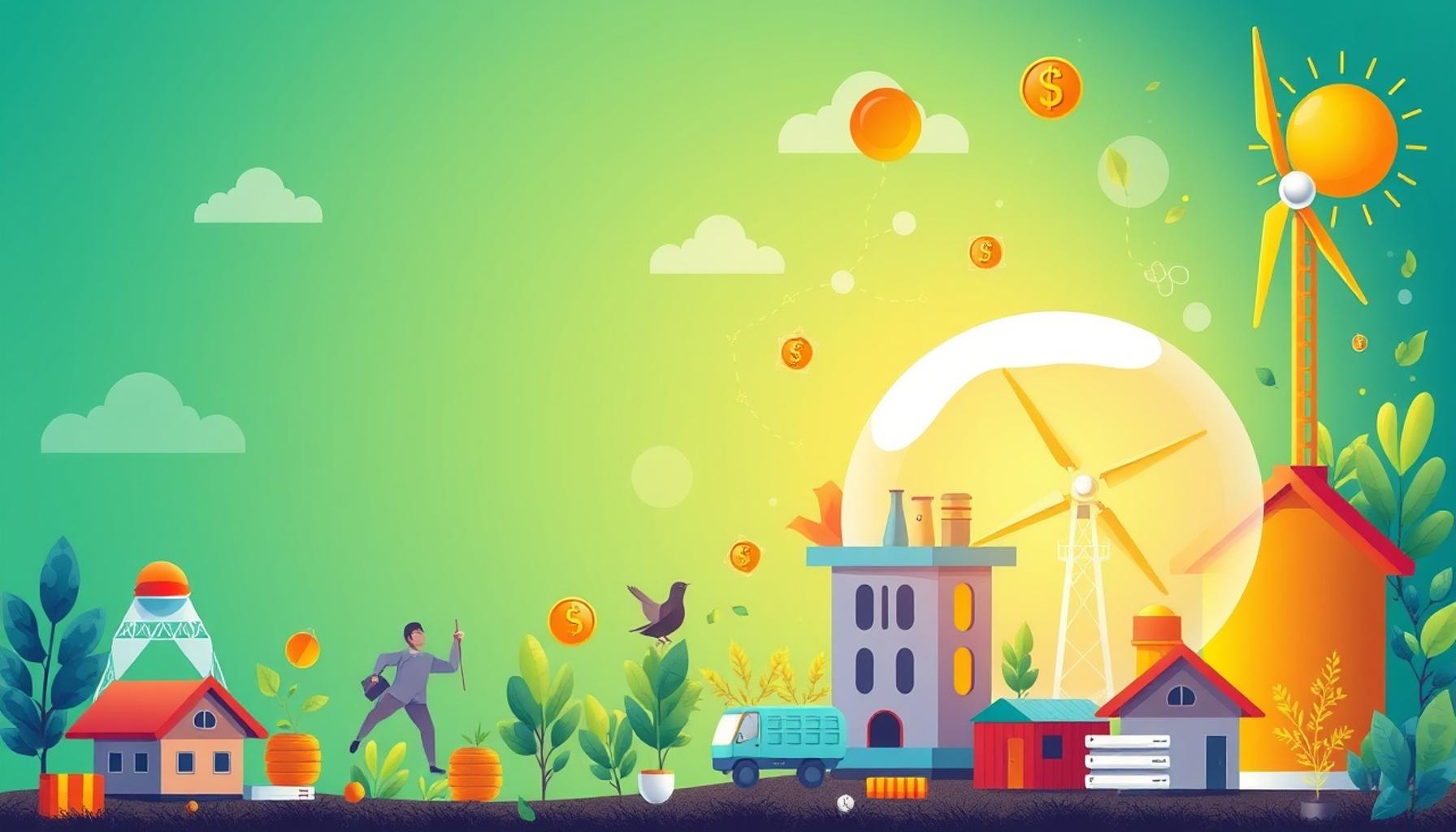
Understanding Innovations in Energy Sustainability
As we navigate the complexities of a changing climate, the intersection of sustainability and technology is becoming increasingly crucial in reshaping energy practices across the globe. In the United States, these innovations are creating pathways not only to reduce greenhouse gas emissions but also to improve overall energy reliability and availability for consumers. By adopting advanced technologies, we can make significant strides towards a cleaner, more sustainable energy future.
Renewable Energy Sources
One of the most transformative innovations is in renewable energy sources. Technologies harnessing solar, wind, and hydropower are gaining traction due to their decreasing costs and increasing efficiency, making them more accessible for everyday use. For example, the price of solar panels has dropped significantly over the last decade, making it feasible for homeowners and businesses to invest in solar energy. States like California and Texas have become leaders in solar and wind installations, showcasing how a mix of federal incentives and state policies can drive adoption.
Smart Grids
Another significant advancement lies in the development of smart grids. These systems utilize digital technology to enhance energy distribution and consumption patterns. Smart grids communicate seamlessly with various energy sources and manage demand in real-time. This capability not only helps in minimizing waste but also ensures that energy supply meets consumption needs efficiently. For instance, during a hot summer day when air conditioning use surges, smart grids can redirect energy from less utilized areas to where it is most needed, preventing outages and reducing strain on the system.
Energy Storage Solutions
Equally important in this discourse are energy storage solutions. Innovations in battery technology, such as lithium-ion batteries, have improved our capacity to store energy generated from renewable sources. This technology is vital to ensure a consistent power supply, even when the sun isn’t shining or the wind isn’t blowing. Companies like Tesla have developed home energy storage systems that allow consumers to store energy generated during the day by solar panels for use during nighttime, significantly enhancing energy independence.
The Role of Artificial Intelligence and Blockchain
The integration of artificial intelligence and blockchain technology into energy management systems is redefining the sector. AI is instrumental in predicting energy needs, optimizing supply chains, and reducing operational costs. For example, utility companies are using AI-driven analytics to forecast energy demand and adjust supply accordingly, which leads to enhanced efficiency. On the other hand, blockchain technology offers improved transparency in energy transactions. By utilizing a decentralized ledger, consumers can track their energy usage and transactions in real-time, fostering trust between producers and consumers.
In summary, as we explore these vibrant innovations in energy, it becomes evident that they not only promise to enhance the sustainability of our energy systems but also play a pivotal role in shaping public policy and consumer behavior. The sustainable energy landscape is evolving rapidly, and understanding these changes is crucial for all of us as we work towards a greener and more efficient future.
SEE ALSO: Click here to read another article
Innovative Technologies Shaping Sustainable Energy Solutions
The quest for a more sustainable energy future is being driven by innovations that not only challenge the traditional energy landscape but also pave the way for a more resilient and environmentally-friendly system. By leveraging emerging technologies, the energy sector can address pressing issues like carbon emissions and energy inefficiency. Let’s examine some of these pivotal innovations that are making a marked difference in how energy is produced and consumed.
Solar Technology Advancements
The realm of solar energy has undergone remarkable advancements in recent years. High-efficiency solar panels, solar shingles, and even bifacial panels that capture sunlight from both sides are becoming popular. These cutting-edge technologies have significantly augmented the total energy output while reducing the square footage needed for installation. As an illustration, the average cost of solar energy has dropped by more than 70% since 2010, leading to an exponential rise in installations across the U.S. to an extent where California currently generates over 20% of its energy needs from solar power alone.
Wind Energy Innovations
Another area witnessing a surge in innovation is wind energy. With advancements in turbine design and technology, onshore and offshore wind farms are becoming more efficient and effective. For example, the introduction of larger turbines with improved blade designs maximizes energy capture, even at lower wind speeds. States like Texas, which has rapidly expanded its wind energy capacity, now leads the nation in wind generation, showcasing a model that other states are eager to replicate. It is estimated that wind energy could potentially supply up to 35% of the total U.S. electricity generation by 2050.
Energy Efficiency and Demand Response Technologies
The introduction of energy efficiency technologies has been instrumental in reducing consumption without sacrificing comfort. Smart thermostats, LED lighting, and advanced HVAC systems are among the tools that help homeowners and businesses optimize their energy use. Implementing energy management systems enables users to monitor their energy consumption patterns, reducing waste and lowering bills. Notably, appliances that meet the Energy Star standards can reduce electricity usage by anywhere between 10% to 50% compared to conventional models.
Examples of Innovative Energy Practices
Here are some innovative practices that are reshaping the energy landscape:
- Community Solar Projects: Allowing multiple participants to share the benefits of a single solar power installation.
- Microgrid Systems: Locally-controlled energy systems that can operate independently or in conjunction with the traditional grid.
- Heat Pumps: Systems that provide both heating and cooling, operating with much higher efficiencies than traditional units.
As these technologies continue to evolve, the synergy between sustainability and innovation is becoming increasingly apparent. This dynamic is not only transforming how we generate and consume energy but also enabling communities to reclaim control over their energy resources. The future of the energy sector appears promising as we embrace these innovations, promising significant reductions in our carbon footprint and fostering a more sustainable environment.
SEE ALSO: Click here to read another article
The Role of Smart Grids and Energy Storage
As we advance further into an era of clean energy, smart grids and energy storage technologies are playing crucial roles. Smart grids enhance the efficiency of electricity distribution by allowing for real-time communication between energy providers and consumers. This technology enables a more responsive and flexible energy system, primarily as it integrates renewable energy sources seamlessly. For instance, consumers can receive real-time data about energy usage and costs, allowing them to adjust their consumption habits, which ultimately leads to a reduction in demand during peak hours.
Energy Storage Solutions
Moreover, energy storage solutions, such as advanced batteries, are revolutionizing how we harness and utilize energy. With the intermittent nature of solar and wind power, energy storage technologies ensure a consistent supply of electricity, even when production is low. Lithium-ion batteries have gained prominence in this domain, enabling not just the storage of renewable energy but also providing backup power and enhancing grid reliability. For example, California’s deployment of large-scale battery storage projects has made it possible to store excess solar energy generated during the day for use at night, directly improving the stability and reliability of the grid.
Hydrogen as an Emerging Energy Carrier
Another captivating development lies in the potential for hydrogen to serve as a clean energy carrier. Through the process of electrolysis, excess electricity from renewable sources can be used to produce hydrogen, which can then be stored and transformed back into electricity or utilized in transportation. Companies worldwide are investing in hydrogen fuel cell technology, which promises a sustainable alternative to fossil fuels. For example, several states, including New Jersey and California, are leading initiatives in hydrogen production and refueling infrastructure, laying the foundation for a hydrogen economy that could significantly reduce greenhouse gas emissions.
Artificial Intelligence in Energy Management
The intersection of artificial intelligence (AI) and energy management is also becoming increasingly significant. AI technologies can analyze data from various sources to optimize energy generation and usage. Smart algorithms can predict energy demand patterns, allowing utilities to better balance supply and demand. Additionally, AI-powered maintenance solutions can help identify potential issues in renewable energy installations before they result in outages, ensuring that systems are operating at peak efficiency. This technology not only enhances reliability but also reduces maintenance costs and downtime.
Policy and Community Support for Innovative Practices
The successful adoption of these technologies also relies heavily on supportive policies and community engagement. Government initiatives often provide incentives for clean technology adoption, such as tax rebates for energy-efficient appliances or grants for renewable energy projects. Furthermore, community engagement in energy planning ensures that local needs are met. For instance, community initiatives, like local energy cooperatives, are empowering individuals to contribute directly to renewable energy generation efforts, fostering a sense of ownership and responsibility toward sustainable practices.
As these innovations continue to evolve and gain traction, they collectively contribute to a substantial shift in the energy sector. By embracing cutting-edge technologies and cultivating an energy-conscious community, we are not only paving the way for a sustainable future but also redefining our relationship with energy as a shared resource. This synergy is crucial as we work toward meeting global climate goals and striving for an energy system that is resilient, equitable, and environmentally-friendly.
CHECK OUT: Click here to explore more
Conclusion
The journey toward a more sustainable energy future is being significantly accelerated by technological innovations that are reshaping the energy sector. As we have explored, advancements such as smart grids, energy storage solutions, and hydrogen technologies are not only enhancing efficiency but also facilitating the integration of renewable energy sources into our daily lives. These innovations are ensuring a reliable energy supply, even as we transition to a cleaner energy ecosystem. Moreover, the application of artificial intelligence in energy management is optimizing consumption patterns, reducing waste, and maximizing the use of renewable assets.
Importantly, the role of supportive policies and community engagement cannot be understated. Government incentives and local initiatives are creating an environment conducive to innovation, ensuring that advancements in technology align with the needs of communities. This collective effort is fostering a renewed sense of responsibility towards energy resources, prompting individuals and organizations alike to take action for a sustainable future.
As we look ahead, it is clear that embracing these technologies will not only play a crucial role in combating climate change but also in promoting economic resilience and social equity. By fostering a collaborative approach that combines cutting-edge technology with community-driven initiatives, we can redefine our energy landscape. The shift towards sustainability is not just a possibility; it is a necessity that requires our collective effort and commitment. Together, we are transforming the way we think about and interact with energy, creating a more sustainable and prosperous world for generations to come.

Linda Carter
Linda Carter is a writer and expert known for producing clear, engaging, and easy-to-understand content. With solid experience guiding people in achieving their goals, she shares valuable insights and practical guidance. Her mission is to support readers in making informed choices and achieving significant progress.