Menu

The Role of Artificial Intelligence in the Transformation of Traditional Sectors

Artificial Intelligence is transforming traditional sectors like healthcare, manufacturing, finance, and retail through enhanced efficiency and innovative solutions. By revolutionizing diagnostics and customer experience, AI optimizes operations and drives productivity, ensuring businesses adapt to evolving market demands and remain competitive in today's technological landscape.

Digital Transformation in the Agricultural Sector: How Technology is Revolutionizing Food Production

Technology is reshaping the agricultural sector through digital transformation, enhancing food production, and fostering sustainability. Innovations like precision agriculture, data analytics, and automation empower farmers to optimize resources, boost yields, and tackle climate challenges, ensuring a sustainable future for food production and meeting global demands effectively.

New Frontiers of Biotechnology: Advances in Gene Therapies and Their Ethical Implications

The article explores advances in gene therapies, highlighting breakthroughs like CRISPR, Luxturna, and Zolgensma, which promise to cure previously untreatable genetic disorders. It addresses vital ethical implications, including healthcare access, informed consent, and the potential for designer babies, advocating for a balanced approach to biotechnology's societal impact.

Sustainable Innovations: Startups That Are Changing the Environmental Game

Startups are at the forefront of sustainable innovations, addressing critical environmental challenges through agility, visionary leadership, and increased funding. By pioneering technologies like plant-based alternatives, renewable energy solutions, and smart water management, these companies are changing the environmental landscape, inspiring consumer behavior, and promoting a greener future.


The Rise of Digital Health Technologies and Their Impact on Modern Medicine

Digital health technologies are transforming modern medicine by enhancing patient care through telemedicine, wearable devices, and mobile health applications. These innovations improve access, efficiency, and personalized care, ultimately leading to better health outcomes and lower healthcare costs while fostering a patient-centered approach to health management.

The Evolution of Remote Work: Innovative Tools Redefining Productivity

The shift to remote work is transforming productivity through innovative tools. Enhanced communication, project management, and wellness solutions are reshaping team dynamics. By leveraging technology such as Slack, Trello, and Zoom, organizations can foster collaboration, accountability, and employee engagement, creating a more flexible and productive work environment.

The Future of Mobility: Innovations in Sustainable Transport and Autonomous Vehicles

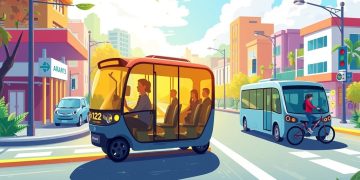
The transportation landscape is rapidly evolving with innovations in sustainable transport and autonomous vehicles. Electric vehicles, enhanced public transport, and micromobility solutions are driving eco-friendly urban mobility. The future hinges on collaboration, policy support, and advanced technologies, promising greener cities and improved safety for all.

The Revolution of Smart Cities: How Technology is Reshaping Urban Planning

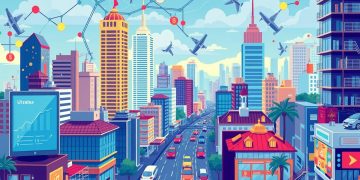
Smart cities are transforming urban planning by integrating advanced technologies for enhanced sustainability and quality of life. By utilizing data analytics, intelligent traffic systems, and innovative communication platforms, these cities optimize resource management, improve public safety, and promote eco-friendly transportation, leading to more efficient and connected urban environments.

Augmented and Virtual Reality Technologies: New Frontiers in Education and Training

Augmented and virtual reality technologies are transforming education and training by enhancing student engagement, providing real-world simulations, and promoting personalized learning experiences. These immersive tools facilitate effective skill acquisition across various sectors, paving the way for a more innovative and adaptable workforce. Their impact on learning is profound and promising.

Blockchain and the Revolution in Supply Chains: Transparency and Efficiency in Real Time

Blockchain technology is transforming supply chains by enhancing transparency and efficiency in real time. Its decentralized digital ledger ensures secure tracking of products, facilitates collaboration among stakeholders, and reduces costs by eliminating intermediaries. As businesses adopt blockchain, they improve operational workflows and meet rising customer demands for accountability and sustainability.