Social Innovation: Startups Transforming Communities and Improving Lives
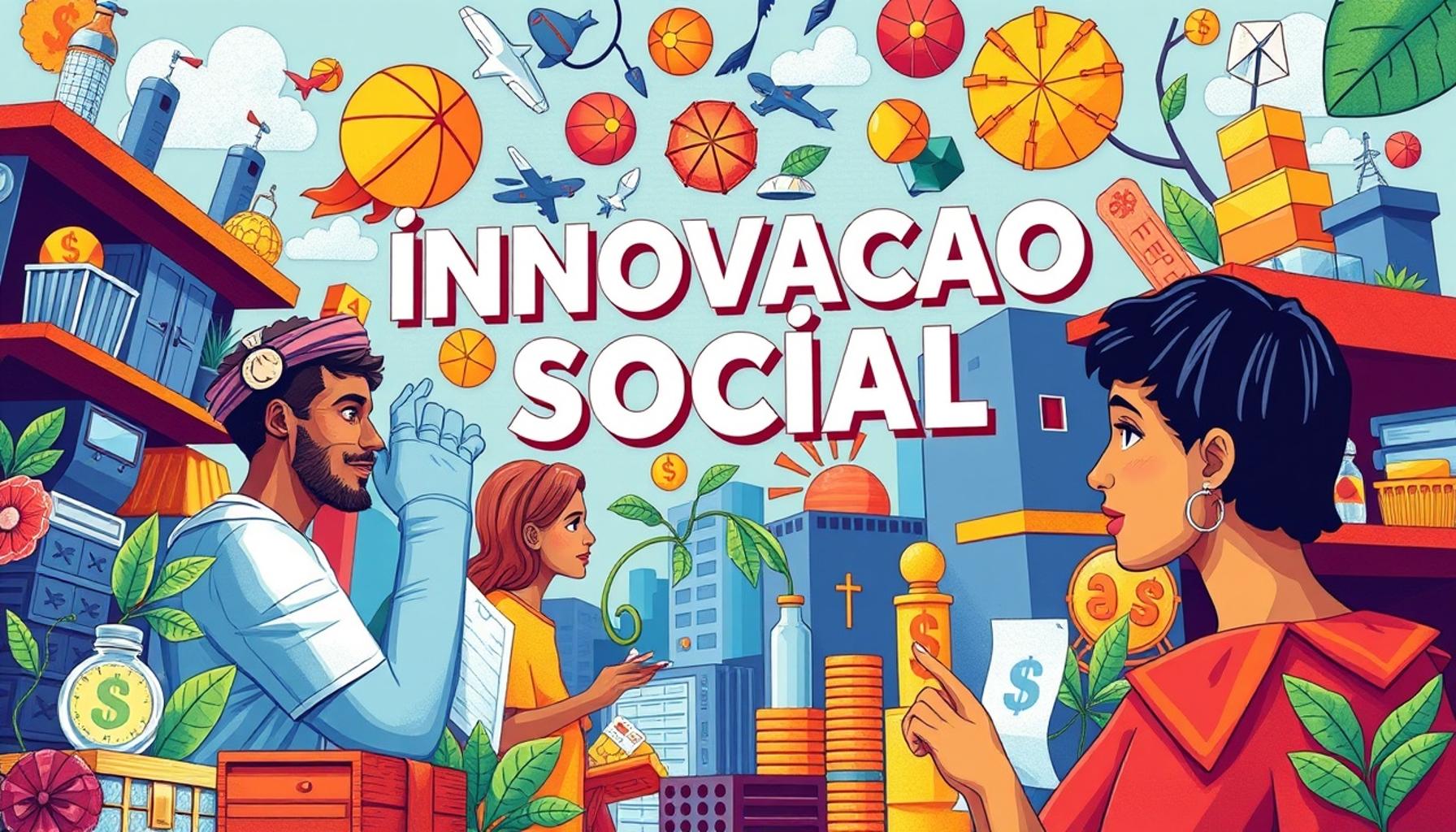
The Power of Social Innovation
The rise of social innovation has profoundly impacted communities across the United States, demonstrating that creativity and business practices can work hand in hand to tackle societal challenges. Startups play a crucial role in this movement, developing unique solutions that extend beyond traditional business models to prioritize community wellbeing while still achieving financial success.
Social innovation encompasses a wide range of initiatives designed to address specific societal needs. Some notable examples illustrate the breadth of this concept:
- Affordable Housing: HopeLab, a startup that leverages technology to create affordable housing solutions, illustrates how innovation can directly serve communities. By using data analysis and community feedback, they identify areas of need and deploy sustainable housing strategies that not only provide shelters but also foster community ties.
- Healthcare Access: Cityblock Health exemplifies the integration of healthcare services in underserved neighborhoods. By offering comprehensive care, including mental health services and preventative care, they ensure that marginalized populations receive the attention they need, thereby reducing health disparities.
- Environmental Sustainability: Organizations like EcoScraps are reversing the growing problem of food waste by transforming discarded food into high-quality organic gardening products. This innovative approach benefits communities by promoting sustainable gardening practices while also contributing positively to the environment.
The success stories of these startups show that businesses can thrive while making a measurable difference in people’s lives. For instance, communities engaged with HopeLab often report improved living conditions, communities brought together through Cityblock Health’s initiatives show enhanced social cohesion, and farmers using EcoScraps products gain not only commercial success but also a deeper connection to eco-friendly practices.
Moreover, social innovation is reshaping local economies by creating jobs and fostering entrepreneurship. This ripple effect helps communities thrive, allowing individuals to not only improve their livelihoods but also contribute to the greater good. Startups focused on social issues often engage local stakeholders, creating a network of support and collaboration that enhances community resilience.
As we explore this topic further, it’s essential to understand that social innovation is not just about addressing problems; it is a proactive approach to building a better future. By empowering individuals, revitalizing neighborhoods, and crafting sustainable solutions, these startups are ushering in a paradigm shift towards a more socially responsible economy. The inspiring stories of innovation and impact highlight the potential that lies in combining business success with social change, paving the way for an inclusive and equitable society.
SEE ALSO: Click here to read another article
Creating Impact Through Innovative Solutions
At its core, social innovation is about harnessing the power of creativity and entrepreneurship to address pressing social issues. It goes beyond simply providing products or services; it seeks to embed positive change in the very fabric of communities. Startups that operate under this model often identify gaps in societal needs and leverage technology, strategic partnerships, and participatory approaches to create solutions that empower individuals and uplift communities.
One of the most exciting aspects of social innovation is its focus on collaboration. These startups frequently work alongside local residents, government entities, and other organizations to ensure their initiatives are tailored to the unique characteristics of each community. This collaborative approach not only enhances the relevance of the solutions but also fosters a sense of ownership among community members, leading to sustainable impacts over time.
Furthermore, the flexibility inherent in startup culture allows for rapid experimentation and iteration. Unlike traditional organizations bound by rigid structures, social startups can pivot quickly in response to feedback, continuously evolving their strategies to suit the changing needs of the communities they serve. This adaptability is crucial in addressing complex social challenges, as it enables startups to refine their approaches based on real-world outcomes.
To illustrate the multifaceted role of startups in social innovation, consider the following categories that many initiatives fall into:
- Education: Startups like Khan Academy have revolutionized access to education through their free online learning resources, empowering millions of students regardless of their socioeconomic background.
- Food Security: Companies such as Grubhub’s Community Grants program support local food businesses and help fight food insecurity by connecting underserved communities with nutritious meal options.
- Financial Inclusion: Startups like Kiva are transforming lives by providing microloans to entrepreneurs in low-income areas, giving them the capital they need to build their businesses and support their families.
The impact of these social innovations is profound and far-reaching. Not only do they provide immediate benefits on an individual level, such as improved access to education and essential services, but they also contribute to broader social goals like reducing inequality and promoting sustainable economic development. By fostering an environment where innovative solutions can flourish, communities can experience holistic transformations that uplift both individuals and the collective.
As we delve deeper into the realm of social innovation, it becomes clear that the potential for startups to drive meaningful change is vast. These organizations are not just businesses; they are catalysts for progress, redefining what it means to be successful in today’s world. Their commitment to addressing social challenges while generating economic value marks a significant shift towards a more humane and responsible form of capitalism.
CHECK OUT: Click here to explore more
Empowering Communities Through Technology
Another essential aspect of social innovation is the use of technology as a driving force for change. Startups harness the capabilities of digital platforms and innovative tools to address everyday challenges faced by communities. From app-based solutions that promote health and wellness to platforms that facilitate civic engagement, technology is opening doors for collaboration and empowerment on an unprecedented scale.
For instance, consider the emergence of telehealth startups like Teladoc, which have played a crucial role in increasing healthcare accessibility. By providing virtual consultations, these organizations eliminate barriers to healthcare, especially for underserved populations in rural areas, where medical facilities may be scarce. The convenience and flexibility of telehealth services have made it possible for individuals to receive timely medical advice and treatment from the comfort of their own homes, ultimately improving health outcomes across communities.
Moreover, startups focusing on environmental sustainability illustrate the scope of social innovation. Companies such as EcoVessel create sustainable products designed to reduce single-use plastics while promoting eco-conscious behavior. Their water bottles and reusable containers not only limit plastic waste but also educate consumers about their environmental impact. Initiatives like these are crucial, as they encourage communities to adopt greener practices, fostering a sense of responsibility toward our planet.
Enhancing Employment Opportunities
Social innovations also extend to economic development by addressing employment disparities. Startups focusing on job creation and workforce development are emerging as vital players in reviving struggling economies. Organizations like Year Up provide young adults from underserved backgrounds with the skills, internships, and opportunities needed to succeed in the business world. Through mentorship and training programs, they equip individuals with the tools to not only secure stable jobs but also to thrive in their careers.
Additionally, platforms like HandUp allow individuals experiencing homelessness to raise funds for basic needs. By connecting them with local donors willing to support their goals—whether it be securing housing or attaining education—these startups not only provide immediate assistance but also restore dignity and agency back to individuals in challenging circumstances. Such initiatives exemplify how social innovation can bridge gaps between marginalized members of society and essential resources.
Shaping a Culture of Philanthropy
The role of philanthropic support cannot be overlooked in the landscape of social innovation. Many successful startups have emerged from foundations and nonprofit organizations that have fostered innovative thinking and provided seed funding for transformative ideas. For example, the initiatives backed by the Bill & Melinda Gates Foundation have propelled numerous startups focused on global health and education, paving the way for scalable solutions that target longstanding issues.
Ultimately, the future of social innovation lies in the continued engagement of diverse stakeholders—from entrepreneurs to funders, to everyday citizens. Their collaboration creates an ecosystem where innovative ideas can flourish, driving societal progress and making life better for countless individuals. As we explore this vibrant landscape, it becomes apparent that the synergy between startups and social innovation has the potential to create resilient communities that embody hope, empowerment, and lasting change.
CHECK OUT: Click here to explore more
Conclusion
In conclusion, social innovation represents a powerful force for good, driven by the creativity and resourcefulness of startups that are dedicated to transforming communities and improving lives. Through the deployment of technology, these innovative enterprises are breaking down barriers that have long hindered access to essential services, from healthcare to education. The rise of telehealth platforms underscores the pivotal role technology plays in ensuring that vital resources reach those who need them most, particularly in rural and underserved areas.
Moreover, the focus on environmental sustainability and job creation highlights the multifaceted nature of social innovation. As companies like EcoVessel promote eco-conscious practices, they not only offer environmentally friendly products but also encourage communities to take collective responsibility for their surroundings. Similarly, organizations such as Year Up and HandUp empower individuals by providing them with the necessary skills and support to achieve financial stability and dignity.
The collaboration of various stakeholders, including entrepreneurs, nonprofit organizations, and philanthropic entities, cultivates an ecosystem ripe for impactful change. Together, they nurture groundbreaking ideas that can scale and diffuse into larger movements for societal improvement. As we witness the transformative outcomes of these efforts, it is clear that social innovation is not just about creating profitable ventures but is fundamentally about forging a better, more equitable world for all. The journey ahead remains challenging, but the resilience of communities, fueled by innovation, brings a sense of hope for a brighter future.

Linda Carter
Linda Carter is a writer and expert known for producing clear, engaging, and easy-to-understand content. With solid experience guiding people in achieving their goals, she shares valuable insights and practical guidance. Her mission is to support readers in making informed choices and achieving significant progress.