Innovation in Education: How New Technologies Are Redefining Learning Globally
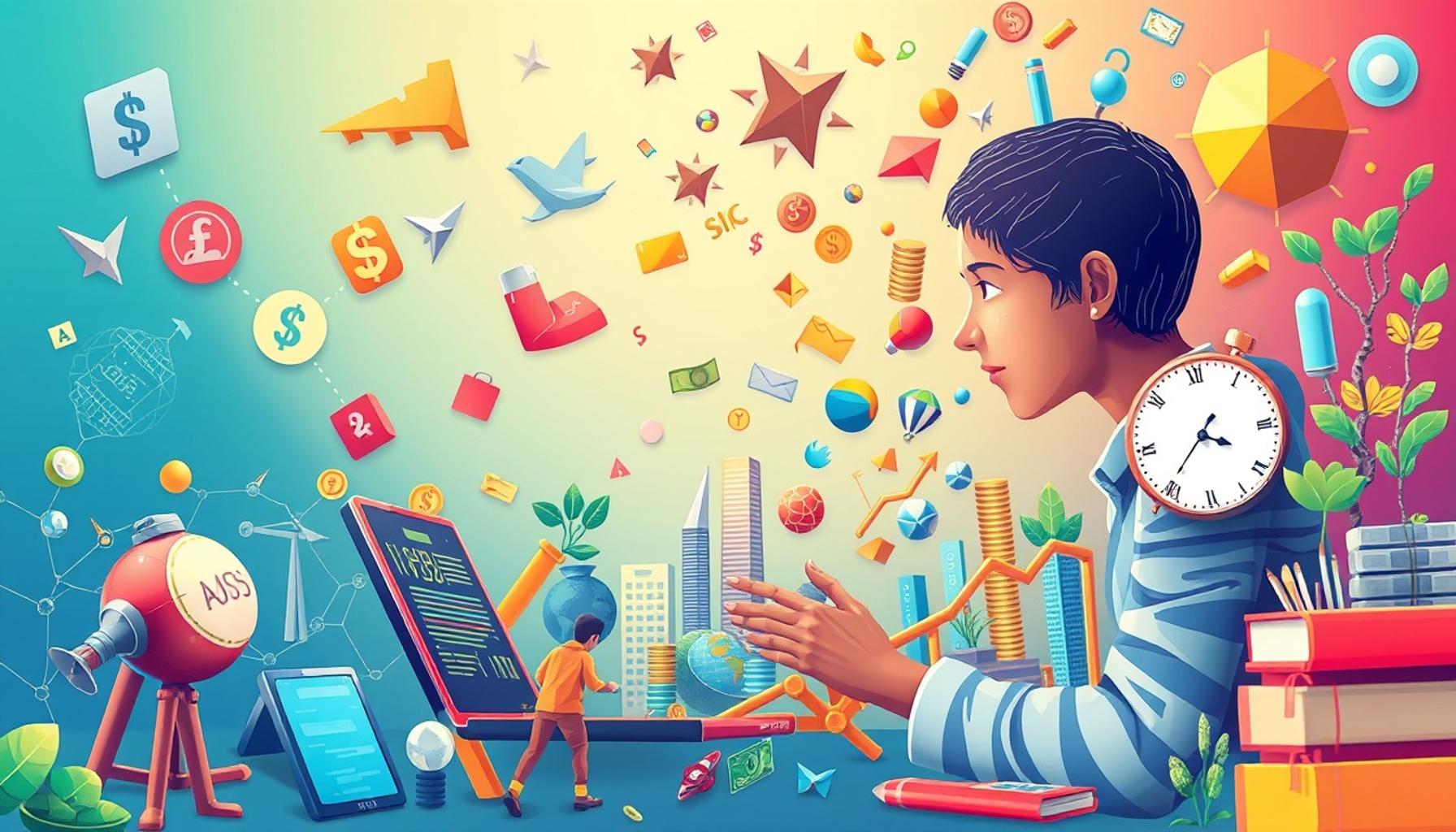
The Evolution of Education in the Digital Age
In our modern society, the landscape of education is continuously being reshaped by technological advancements. The integration of digital tools and resources has revolutionized not only how lessons are taught but also how students engage with educational content. This evolution is particularly significant in a fast-paced world where traditional learning methods may not suffice to meet the diverse needs of learners.
One significant aspect of this change is the rise of online learning platforms. Websites such as Coursera and Khan Academy have democratized education, enabling individuals from different backgrounds to access high-quality courses from reputable institutions like Harvard and MIT without the constraints of geography or finances. For instance, a student in a rural area can take a computer science course from an Ivy League university, leveling the educational playing field. This accessibility paves the way for many who might not have had the opportunity to pursue higher education otherwise.
Additionally, the adoption of interactive tools in classrooms has transformed passive learning into a more engaging experience. Tools like Google Classroom empower teachers to create a collaborative learning environment where students can actively participate in discussions, submit assignments digitally, and communicate with peers seamlessly. For example, during the COVID-19 pandemic, many schools pivoted to online platforms to maintain continuity in education, showcasing the importance of these tools in crisis situations.
Moreover, artificial intelligence is at the forefront of personalizing education. AI-driven platforms can analyze a student’s learning pace and style, offering tailored resources that cater specifically to their needs. For instance, a platform might suggest different reading materials or practice exercises based on a student’s performance, thus enhancing learning outcomes and retaining student interest. This kind of personalized learning can be particularly beneficial for students with varying abilities, ensuring that each learner can thrive at their own pace.
The benefits of these technological advancements are far-reaching. They not only enhance engagement through interactive content but also facilitate remote learning, making education accessible to anyone, anywhere. This is a monumental boon for individuals who juggle work, family commitments, and education, proving that with the right resources, education can indeed fit into anyone’s life.
Furthermore, lifelong learning has become more achievable, as resources are available 24/7. For instance, a working professional can take evening courses to advance their career or switch fields altogether, providing a dynamic avenue for personal and professional growth.
As we delve into these exciting changes, it becomes evident that innovation in education is more than just a passing trend—it’s a transformative evolution that holds the potential to redefine the future of learning. By embracing new technologies, we can better equip ourselves for varied challenges ahead in an increasingly interconnected world.
CHECK OUT: Click here to explore more
Embracing Technology for Enhanced Learning Experiences
The integration of technology into education has led to several innovative approaches that cater to different learning needs and styles. As educators increasingly recognize the importance of these tools, their methods are evolving, benefiting both teachers and students in unique ways. One of the most impactful innovations has been the rise of blended learning, which combines traditional face-to-face instruction with online components. This method allows students to have more control over their learning experiences, fostering a sense of autonomy and responsibility.
Blended learning can take many forms, such as:
- Flipped classrooms: In this model, students engage with instructional materials at home, such as video lectures or interactive presentations, while class time is dedicated to hands-on activities and discussions. This approach allows students to absorb content at their own pace and come to class prepared to delve deeper into topics.
- Project-based learning: By utilizing digital resources, students collaborate on projects that require them to research, analyze information, and present their findings, enhancing critical thinking skills and creativity.
- Gamification: Integrating game-like elements into educational activities motivates students to engage with the material, making learning fun and effective. Leaderboards and rewards can foster a spirit of healthy competition and encourage students to achieve their goals.
Furthermore, the influence of mobile technology cannot be overstated. With the widespread use of smartphones and tablets, educational apps and resources are now just a tap away. Students can access learning materials, practice quizzes, and video tutorials anytime and anywhere, facilitating both formal and informal learning. For instance, mobile apps like Duolingo provide language learning in a fun, interactive format that encourages daily practice and progress tracking.
Moreover, as institutions adopt data analytics tools, they can gather valuable insights into student performance and engagement. This data-driven approach allows educators to identify trends and tailoring instructional strategies accordingly. For example, if a significant number of students struggle with a particular concept, teachers can adjust their lesson plans to provide more focused support, ensuring that no student is left behind.
As we explore these new avenues, it is vital to recognize the potential challenges associated with integrating technology into education. Issues such as digital equity must be addressed to ensure that all students have access to the necessary devices and internet connectivity. In the United States, initiatives like the Federal Communications Commission’s E-rate program aim to bridge this gap by providing funding for broadband access in schools and libraries, but ongoing efforts are crucial to reaching every learner.
In conclusion, the embrace of technology within education offers a wealth of opportunities to enhance learning outcomes. By adopting innovative teaching methods and addressing the challenges that come with them, educators can create a more inclusive and effective educational environment.
CHECK OUT: Click here to explore more
Personalized Learning Through Adaptive Technologies
Another significant development in educational innovation is the emergence of adaptive learning technologies which are reshaping how students engage with content. These tools utilize algorithms and data analytics to tailor educational experiences to individual learners’ needs, preferences, and pace. By personalizing the learning journey, educators can better support students, ensuring that every individual can progress according to their unique strengths and challenges.
For instance, platforms like Khan Academy leverage adaptive learning frameworks by monitoring students’ progress in real-time. As learners interact with the platform, it adjusts the difficulty of problems based on their performance, thereby providing a customized learning pathway. Such technological solutions not only help in addressing gaps in knowledge but also empower students to take ownership of their education, growing their confidence in the subject matter.
The Role of Artificial Intelligence in Education
The integration of artificial intelligence (AI) into educational settings is a game-changer, providing new ways to support both teachers and students. AI-driven chatbots, for example, can assist students with queries outside regular classroom hours, creating a more responsive and flexible learning environment. These tools can respond instantly to student inquiries about homework, projects, or exam preparation, thus promoting continuous engagement.
Moreover, teachers can benefit from AI through automated grading systems. These systems alleviate the burden of time-consuming assessments, allowing educators to focus on delivering higher-quality instruction. By automating tasks such as grading essays or quizzes, educators free up valuable time that they can redirect toward personalized instruction and meaningful interactions with their students.
Virtual and Augmented Reality: A New Dimension of Learning
Virtual reality (VR) and augmented reality (AR) also represent cutting-edge technologies reshaping education. By creating immersive environments, these technologies engage students in ways that traditional learning methods cannot. For example, students can take virtual field trips to historical sites, explore the complexities of human anatomy in a 3D space, or even conduct science experiments in a risk-free environment.
Programs like Google Expeditions enrich the classroom experience by bringing real-world phenomena directly to students. Such tools not only enhance understanding through experiential learning but also cater to diverse learning styles, making education accessible and interesting for everyone. Students who may struggle with traditional teaching methods often find that engaging in VR or AR helps them grasp complex concepts much more easily.
Collaboration Beyond the Classroom
Technology has also transformed the way students collaborate and communicate. Tools like Google Classroom and various online collaboration platforms enable students to work together on projects regardless of their physical location. This connectivity fosters teamwork and develops essential soft skills such as communication, problem-solving, and adaptability. Students can brainstorm ideas, share resources, and provide feedback in real-time, mirroring the collaborative nature of a modern workplace.
In addition, the rise of online learning communities has allowed learners from different backgrounds and geographic locations to connect, fostering cultural exchange and understanding. For example, platforms like Edmodo bridge gaps between students and educators around the world, encouraging discussions and collaborative learning in a global context. This interconnectedness enriches the educational experience by exposing students to diverse perspectives and ideas.
Overall, the adoption of these innovative technologies in education illustrates the limitless possibilities for enhancing learning experiences and preparing students for a rapidly evolving world. By harnessing the potential of such advancements, educators can promote engagement, creativity, and collaboration in the classroom.
SEE ALSO: Click here to read another article
Embracing the Future of Education
In conclusion, innovation in education driven by new technologies is fundamentally transforming the way we teach and learn. The rise of adaptive learning technologies, artificial intelligence, and immersive experiences like virtual and augmented reality indicate a shift towards more personalized, engaging, and effective educational practices. These innovations not only cater to individual learning styles but also motivate students to take control of their educational journeys, making learning more relevant and influential.
Furthermore, the enhanced capacity for collaboration beyond the classroom fosters a sense of community among learners across the globe. By allowing students from diverse backgrounds to collaborate and share insights, we promote a richer educational experience that embraces cultural diversity and prepares them for a interconnected world.
As we move forward, it is crucial for educators, policymakers, and institutions to remain open to these advancements, continuously adapting to the evolving landscape of education. By embracing these changes and implementing effective technologies that enhance learning, we can ensure that our students are not only prepared for the challenges of today but also empowered to become the innovators and leaders of tomorrow. The future of education is bright, and with mindful integration of technology, we can redefine learning experiences that truly elevate every learner.

Linda Carter
Linda Carter is a writer and expert known for producing clear, engaging, and easy-to-understand content. With solid experience guiding people in achieving their goals, she shares valuable insights and practical guidance. Her mission is to support readers in making informed choices and achieving significant progress.