Menu

Difference between good debt and bad debt: learn how to identify

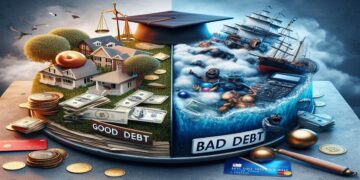
Understanding the difference between good and bad debt is essential for effective financial management. Good debt, like mortgages and student loans, can enhance your financial future, while bad debt, such as high-interest credit cards, can lead to financial strain. Learning to distinguish these debts empowers better financial decisions.

Strategies to Rebuild Your Credit After Debt

Rebuilding credit after debt is attainable with dedication and effective strategies. Understanding credit fundamentals is crucial, followed by establishing responsible financial habits. Tools like secured credit cards and credit builder loans can aid in recovery. Consistent monitoring and patience will ultimately lead to improved financial health and opportunities.

How to control your consumption impulses and maintain healthy credit

Discover practical strategies to control consumption impulses and enhance financial health. Learn to recognize personal spending triggers, implement budgeting techniques, and utilize tools like the 24-hour rule. By fostering mindful spending habits, you can protect your credit and move closer to achieving long-term financial goals.

Tips for Negotiating Debts with Banks and Creditors

This article provides essential strategies for negotiating debts with banks and creditors. It emphasizes understanding your legal rights, organizing your financial information, and communicating clearly. Key tips include being prepared, proposing realistic solutions, and knowing when to escalate discussions, empowering readers to regain control of their financial situations.

Credit Card: How to Use It Wisely and Avoid Debt

Credit cards offer convenience and rewards, but responsible usage is key to avoiding debt. Essential strategies include budgeting, paying balances in full, setting payment reminders, and limiting card use. Understanding credit limits and interest rates further enhances financial health, empowering users to navigate credit wisely.

What is the best order to pay your debts: lower amount or higher interest?

Effective debt management hinges on choosing the right repayment strategy—either tackling smaller debts for quick wins or prioritizing high-interest loans for long-term savings. Understanding these approaches helps tailor a plan that aligns with personal financial goals and emotional resilience, ultimately guiding you toward financial freedom.

How to get out of debt by starting with small daily actions

This article emphasizes the significance of small daily actions to manage debt effectively. It covers tracking spending, creating a budget, cutting unnecessary expenses, and building a support system. By celebrating small wins and making conscious financial choices, individuals can achieve long-term financial stability and freedom.

Emergency fund for freelancers: what to consider when planning

Freelancers face financial uncertainty, making an emergency fund essential for stability. By assessing expenses, setting clear savings targets, and employing effective strategies, freelancers can build a financial buffer. Regular reviews and consideration of insurance options further enhance their security, fostering a confident and focused freelance career.

How to Use Your Emergency Fund the Right Way

An emergency fund is essential for financial stability during unexpected challenges. It should cover three to six months of living expenses, be easily accessible, and only used for genuine emergencies. Regularly reassessing your fund ensures it remains adequate and effective for your evolving financial needs.

Tips to Avoid Tapping into Emergency Funds Unnecessarily

This article offers practical tips for effectively managing emergency funds and avoiding unnecessary withdrawals. Key strategies include setting clear spending triggers, budgeting, and understanding emotional triggers. Fostering financial literacy and establishing a long-term mindset are emphasized to ensure financial stability during unexpected challenges.