Innovation in Mobility: Creative Ideas for a Sustainable Transportation Future in American Cities
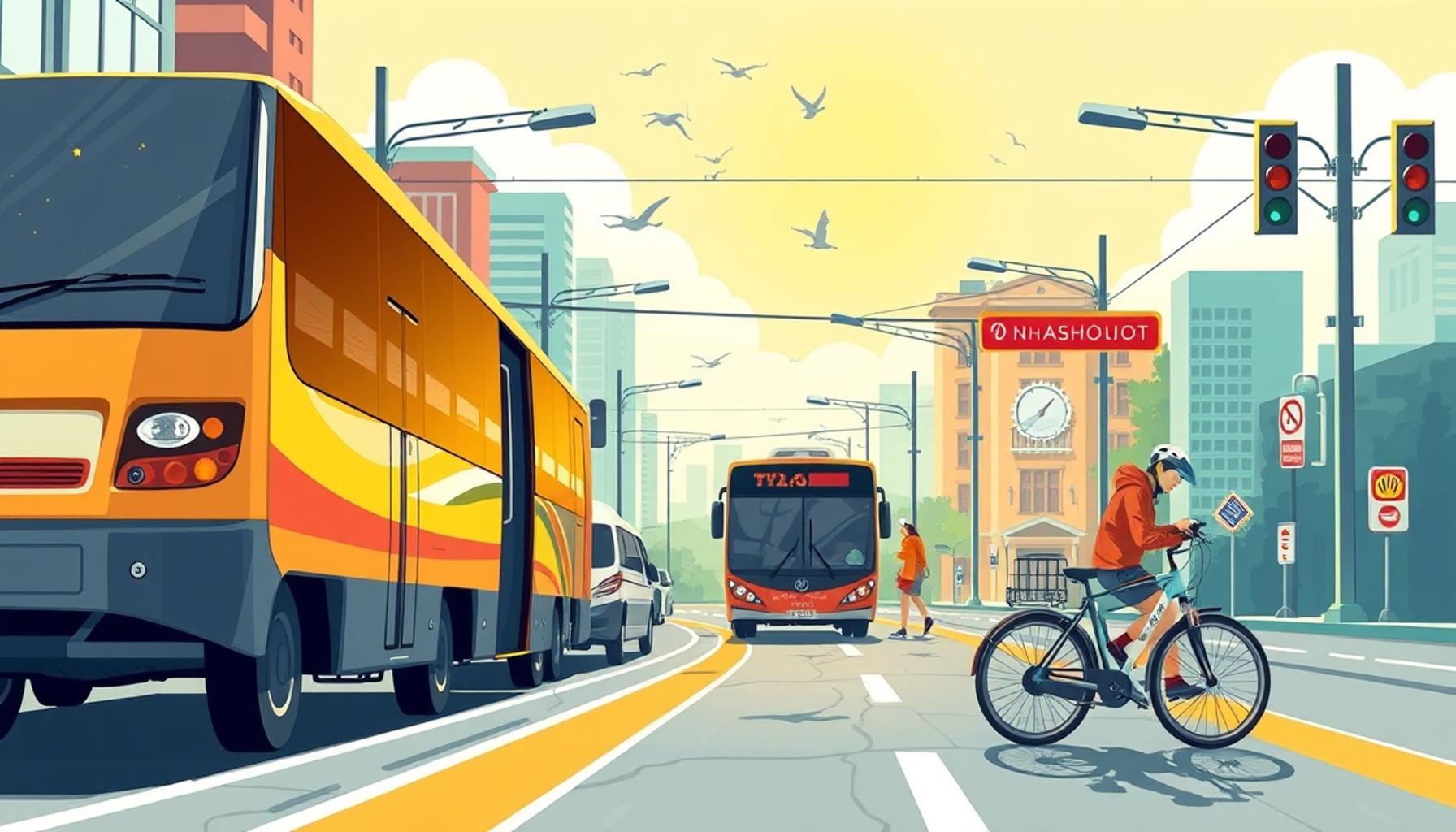
The Importance of Innovative Transportation Solutions
As urban populations expand rapidly, with projections indicating that over 80% of Americans will live in cities by 2050, the demand for effective and innovative transportation solutions has never been greater. These solutions must not only focus on reducing emissions but also on improving the overall experience of city life. Thoughtful design and planning in transportation can play a pivotal role in making urban areas more livable, efficient, and environmentally friendly.
Here are some impactful strategies that are currently shaping the future of transportation in American cities:
- Electric Vehicles (EVs): A significant number of cities are investing heavily in the infrastructure for EVs. For instance, states like California and Washington are increasingly installing charging stations in public areas, making it easier for residents to transition to zero-emission vehicles. By creating a robust network of charging hubs, cities encourage the adoption of EVs, which helps to significantly lower urban air pollution levels.
- Public Transit Innovations: Cities are recognizing the importance of modernizing public transportation. New York City, for example, has been upgrading its subway system with digital signage and contactless payment options. Such improvements enhance the user experience and make public transit more reliable and attractive to residents, ultimately aiming to take cars off the road and decrease congestion.
- Smart City Technologies: Harnessing data and technology is becoming essential in urban planning. Cities like San Francisco are implementing smart traffic lights that adapt based on real-time traffic conditions. This technology not only minimizes traffic jams but also offers a smoother commute for all travelers. Additionally, apps that provide real-time updates on public transit schedules empower commuters to make better travel decisions.
- Micro-Mobility Options: With the rise of bicycle-sharing programs and electric scooter availability in cities such as Chicago and Austin, short-distance travel has never been more accessible. These micro-mobility solutions provide a convenient alternative to traditional vehicles, encouraging healthier lifestyles while reducing the carbon footprint associated with unnecessary car trips.
Collectively, these initiatives showcase a commitment to sustainability and demonstrate how urban centers can become more connected and vibrant. By focusing on efficient transit, cities not only respond to growing environmental concerns but also enhance the livability of their communities.
The integration of these innovative strategies isn’t just a trend; it is critical to rethinking how we navigate urban spaces. When planned thoughtfully, American cities could lead the charge toward a greener, more efficient transportation landscape, setting a benchmark for those around the world.
SEE ALSO: Click here to read another article
Exploring Electric Vehicle Infrastructure
One of the most transformative shifts in transportation is the growing adoption of electric vehicles (EVs). As concerns over air quality and climate change mount, cities across the United States are recognizing the importance of transitioning to cleaner transportation solutions. Upgrading the EV infrastructure is a crucial step in this transition. Electric Vehicle Charging Stations are becoming a common sight in urban landscapes, providing not just convenience but also encouraging residents to make the switch from gasoline-powered vehicles.
For instance, major cities like Los Angeles and Seattle have begun deploying charging stations at strategic locations, including parking lots, shopping centers, and even on city streets. This accessibility addresses one of the primary concerns for potential EV users: range anxiety, or the fear of running out of battery before reaching a charging point. As this infrastructure expands, it sends a powerful message about a community’s commitment to sustainability.
Innovative Public Transit Models
To tackle congestion and pollution, cities are also reimagining public transportation systems. Innovative models are emerging that not only aim to improve efficiency but also enhance user experience. For example, cities like Denver are experimenting with on-demand shuttle services that integrate seamlessly with existing public transit options. These services use mobile apps to allow users to request rides in a manner similar to ride-sharing, making transit more flexible and responsive to the needs of citizens.
Additionally, the implementation of electric buses into fleets represents a significant leap forward. Cities such as San Diego and Chicago are investing in electric bus technology, which not only reduces carbon emissions but also contributes to quieter streets. As these electric fleets grow, they promise to address the dual challenges of environmental impact and urban noise, creating a more peaceful atmosphere for residents.
Smart Technology and Data-Driven Decisions
The future of transportation is also heavily reliant on smart technologies. Cities are leveraging data and artificial intelligence to make informed decisions about urban mobility. By analyzing traffic patterns and commuter behavior, municipalities can optimize traffic flow and reduce congestion. For example, Atlanta has begun using predictive analytics to adjust traffic signal timings based on real-time conditions, leading to smoother commutes and reduced idle times at stoplights.
Furthermore, many cities are exploring mobile applications that provide real-time updates for public transport users. These apps can inform commuters about delays and suggest alternative routes, ultimately enhancing the overall experience of using public transportation.
In summary, the integration of EV infrastructure, innovative public transit models, and smart technology is paving the way for a transportation future enriched with sustainability. As American cities adopt these solutions, they not only address pressing environmental concerns but also work toward creating cleaner, more efficient urban environments that benefit all residents.
CHECK OUT: Click here to explore more
Encouraging Active Transportation
Another pivotal component of a sustainable transportation future is the promotion of active transportation, which includes walking and cycling. Many cities are recognizing the benefits of integrating infrastructure that supports these modes of transit. Constructing dedicated bike lanes, pedestrian-friendly walkways, and green spaces encourages citizens to embrace these healthier, eco-friendly alternatives. Cities like Portland and Minneapolis have made strides in this area, investing in extensive bike-share programs and creating networks of bike lanes that safely connect residential areas to urban centers.
Moreover, bike-sharing programs provide an accessible way for both residents and tourists to navigate the city without reliance on motor vehicles. For example, systems like Divvy in Chicago and Citi Bike in New York City offer users the option to rent bicycles for short trips, reducing traffic congestion while also promoting public health. These initiatives not only enhance mobility but also contribute to a greener urban environment.
Integrating Multimodal Transportation Solutions
Modern mobility solutions are increasingly about integration. Cities are looking to create multimodal transportation networks where different modes of transit complement one another seamlessly. A significant example is the idea of transit hubs, where public transportation, EV charging stations, bike-share programs, and pedestrian pathways converge to facilitate easy transfers between modes. This kind of synergy can be seen in places like Washington, D.C., where commuter rail services connect with Metro systems and bike-sharing stations, creating a comprehensive network for commuters.
Innovative technologies like mobility-as-a-service (MaaS) platforms are emerging, enabling users to plan, book, and pay for multiple forms of transport through a single app. Cities experimenting with this model, such as Los Angeles and San Francisco, provide users with options to choose the best transportation method for their specific journey, whether it be public transit, ride-sharing, or biking. This not only streamlines the commuting process but also promotes a more integrated approach to urban transportation.
Community Engagement and Policy Changes
Implementing innovative transportation initiatives also relies heavily on community engagement and supportive policy changes. Cities are recognizing the importance of involving citizens in the planning process, ensuring that new transport solutions address the unique needs of their communities. For instance, participatory budgeting allows residents to contribute to decisions about local spending, including transportation projects that prioritize sustainable options.
Moreover, proactive policy measures can incentivize sustainable choices. Cities like Austin are creating parking policies that favor EVs, offering reduced fees or additional charging infrastructure for electric car owners. Tax incentives for residents to use public transit or purchase electric vehicles further promote an environmentally-friendly culture.
Additionally, zoning laws that encourage mixed-use development can lead to more walkable neighborhoods where daily needs are within closer proximity, reducing the reliance on automobiles. With continued advocacy and support from local governments, these policies can shape a transportation landscape that benefits both the environment and community health.
SEE ALSO: Click here to read another article
Conclusion
In conclusion, creating a sustainable transportation future for American cities involves a multifaceted approach that combines innovative technology, community engagement, and thoughtful urban planning. By prioritizing active transportation solutions like biking and walking, cities can promote healthier lifestyles while simultaneously reducing their environmental footprint. The investment in multimodal networks ensures that various forms of transportation can work hand in hand, improving connectivity and accessibility for all citizens.
Moreover, fostering community engagement is essential for understanding the unique needs of residents and tailoring transportation solutions accordingly. Initiatives like participatory budgeting not only empower citizens but also create a sense of ownership over urban development. Supportive policies that incentivize the use of electric vehicles and public transportation further enhance efforts toward sustainability.
As we look towards the future, it is clear that innovative mobility solutions will play a critical role in reshaping our urban landscapes. From leveraging technology through platforms like mobility-as-a-service to fostering partnerships across various sectors, American cities have the opportunity to build a robust transportation ecosystem that not only meets the demands of modern life but also contributes to a healthier planet. With sustained commitment and collaboration, we can pave the way for a transportation future that is inclusive, efficient, and environmentally sound.

Linda Carter
Linda Carter is a writer and expert known for producing clear, engaging, and easy-to-understand content. With solid experience guiding people in achieving their goals, she shares valuable insights and practical guidance. Her mission is to support readers in making informed choices and achieving significant progress.