The Future of Mobility: Innovations in Sustainable Transport and Autonomous Vehicles
The Evolution of Transportation
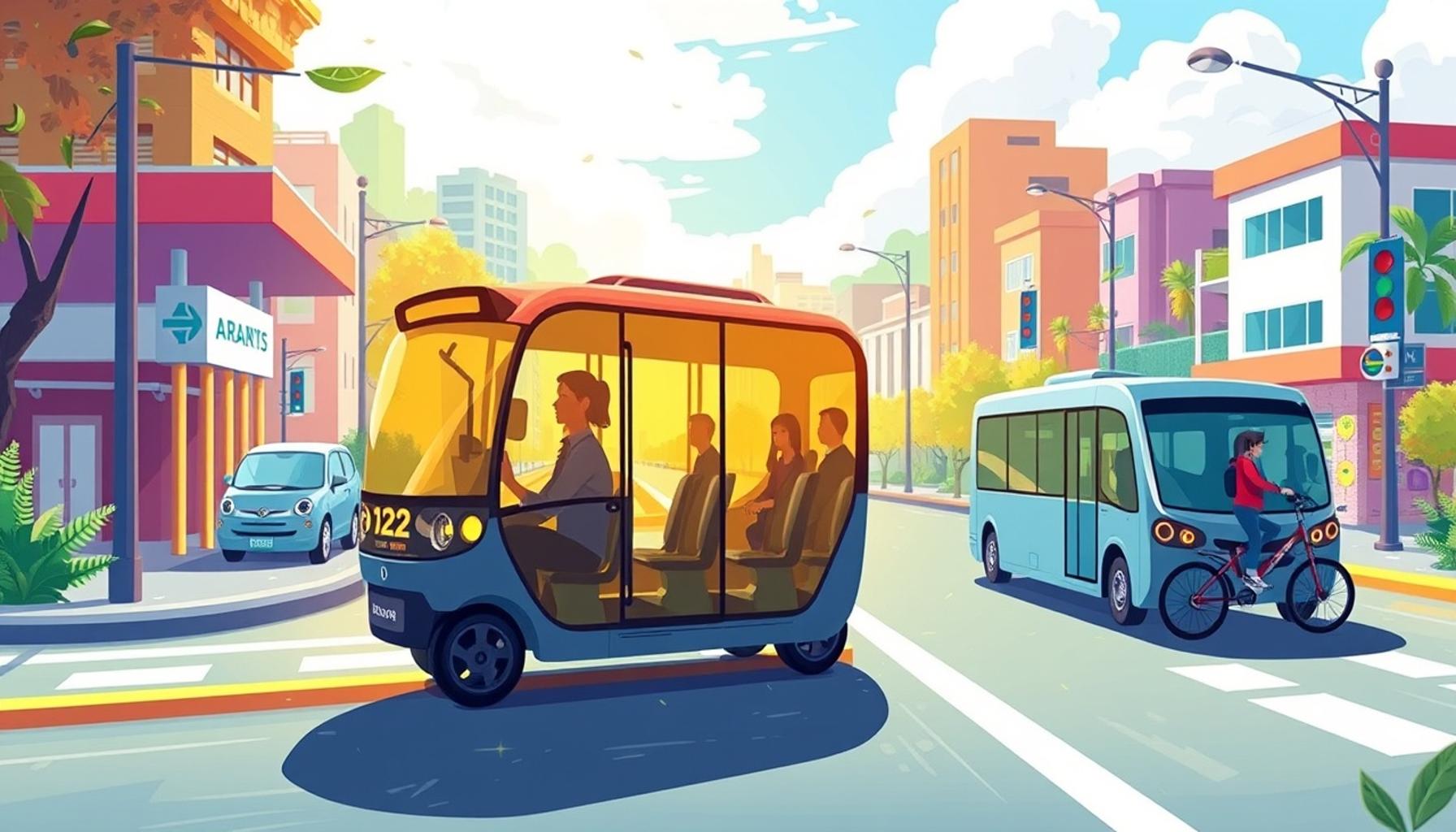
The landscape of transportation is evolving rapidly, driven by innovation and a growing awareness of environmental sustainability. As cities expand and populations rise, the need for efficient and eco-friendly transport options becomes increasingly crucial. This shift is not only about improving mobility but also about creating a better future for our planet and the well-being of its inhabitants.
One of the most notable innovations in the transport sector is the rise of electric vehicles (EVs). These zero-emission cars, such as the popular Tesla Model 3 and the Nissan Leaf, are transforming how we think about personal and shared transport. By replacing traditional gasoline engines with electric powertrains, EVs significantly reduce air pollution and greenhouse gas emissions, making them a pivotal component in addressing climate change.
Another area witnessing transformative change is public transport. Advancements like electric buses and trams are becoming increasingly common in cities across the United States. For example, cities like Los Angeles and Seattle have introduced electric buses, which not only cut emissions but also offer a quieter, more pleasant ride for passengers. These modern public transport solutions help alleviate urban congestion and reduce pollution levels, contributing to cleaner air and a more livable environment.
In addition to traditional public transport, the rise of micromobility solutions has dramatically altered how people travel short distances. E-scooters and bike-sharing programs, such as those operated by Lime and Bird, provide convenient options for urban dwellers looking to skip traffic jams. These services are particularly beneficial for last-mile connectivity, allowing individuals to easily travel from public transport stations to their final destinations without relying on cars.
A key frontier in transportation innovation is the development of autonomous vehicles. Self-driving cars, being tested by various companies including Google’s Waymo, promise to improve safety on our roads. With advanced technology such as sensors and AI, these vehicles have the potential to drastically reduce human error, which is a leading cause of accidents. As this technology matures, we can anticipate a future where road safety enhances and traffic flows more freely.
These innovations bring substantial benefits, including:
- Reduced carbon emissions: A shift toward electric and alternative fuel vehicles can significantly lower greenhouse gases, helping mitigate climate change.
- Enhanced safety: With fewer accidents expected as autonomous technology matures, the potential for safer streets is within our grasp.
- Improved accessibility: New transport services aim to provide reliable solutions for individuals with mobility challenges, ensuring everyone has equal access to transportation.
As we delve deeper into these advancements, it’s essential to understand their implications for the future of urban living and global sustainability efforts. The journey toward smarter transportation is just beginning, and with ongoing technological developments, we stand on the brink of a transformative era that promises to reshape how we move and interact with our environment.
CHECK OUT: Click here to explore more
Transforming Urban Transport: The Role of Electric Vehicles
The adoption of electric vehicles (EVs) is one of the most significant shifts in the transportation landscape. For many consumers, EVs represent a cleaner, more sustainable alternative to traditional fuel-powered cars. The success of companies like Tesla, which has advocated for the viability of electric cars, has catalyzed growth in this sector. According to recent data, EV sales in the United States have surged, with projections estimating that by 2030, around 30% of new car sales will be electric. This rapid transition is not just beneficial for the environment; it also aligns with the interests of economically-minded consumers eager to reduce fuel costs and maintenance expenses.
A vital component of this transition is the improvement and expansion of charging infrastructure. Cities across the United States are beginning to see the establishment of charging stations in public spaces like shopping centers, office buildings, and parking lots. In addition, many governments are incentivizing businesses and homeowners to install home charging stations as part of their commitment to sustainability. With enhanced access to charging, more consumers are likely to consider purchasing an EV, propelling this shift into the mainstream.
Public Transport Innovations: Going Green
Public transport systems are also undergoing a green revolution. As cities strive to meet their climate goals, electric buses and trams are becoming critical components of urban transport networks. For example, the city of San Francisco has committed to 100% electric buses by 2035, demonstrating a significant push for sustainable public transport. This change not only serves to reduce carbon emissions but also enhances the overall passenger experience, providing a smoother and quieter ride that can compete with the convenience of personal vehicles.
The integration of smart technology into public transport systems is another trend helping to increase efficiency. Many cities are adopting advanced traffic management systems that optimize bus routes based on real-time data analysis. This innovation can lead to faster and more reliable service, encouraging more individuals to use public transport instead of private vehicles.
Micromobility: Bridging the Gap
Alongside these developments, the rise of micromobility solutions such as e-scooters and bike-sharing services represents a critical piece of the mobility puzzle. These alternatives provide individuals with the means to traverse short distances effortlessly and conveniently. For instance, city dwellers can rent e-scooters to reach their final destination after taking public transport. This form of last-mile connectivity is essential, as it empowers individuals to leave their vehicles behind while making urban travel seamless.
The benefits of these innovative transportation solutions extend beyond convenience. They help create a more sustainable urban environment by reducing reliance on cars, thereby lessening traffic congestion and lowering air pollution. Furthermore, they appeal to eco-conscious consumers who are actively seeking viable alternatives that align with their values of sustainability.
In summary, the transformation of transportation facilitated by electric vehicles, modern public transport, and micromobility is paving the way for a more sustainable future. As cities continue to embrace and invest in these technologies, it is evident that innovation will play a crucial role in shaping the future of mobility.
CHECK OUT: Click here to explore more
Autonomous Vehicles: Redefining Transportation
The emergence of autonomous vehicles (AVs) represents another frontier in the quest for efficient and sustainable transportation. As technology advances, companies such as Waymo, Cruise, and others have begun testing self-driving vehicles on public roads. These vehicles leverage a combination of sensors, machine learning, and artificial intelligence to navigate complex urban environments without human intervention. The potential benefits of AVs extend beyond convenience; they could significantly reduce traffic accidents, lower transportation costs, and decrease emissions through optimized driving patterns.
One of the most exciting aspects of autonomous vehicles is the prospect of shared mobility. By enabling car-sharing services through a fleet of AVs, cities can eliminate the need for personal vehicle ownership, thereby reducing the total number of cars on the road. For instance, services like Uber and Lyft are already exploring autonomous options to enhance their operations. With this shift, the number of vehicle miles traveled may decline, leading to less congestion and improved air quality. Many forecasts indicate that if AV adoption scales up, cities could witness a substantial decrease in vehicle emissions, contributing to global sustainability targets.
Innovative Vehicle Designs: The Future is Here
Alongside the rise of autonomous vehicles, manufacturers are also investing in innovative vehicle designs that prioritize sustainability. Concepts such as modular vehicles that can be easily customized for specific uses, or vehicles made from sustainable materials, are gaining traction. For example, the Rinspeed Oasis is a visionary prototype that offers a green solution by utilizing plant-based materials and integrating solar panels for energy use. Such vehicles align perfectly with the demand for eco-friendly options and reflect a broader trend of integrating sustainability into the very design of transportation solutions.
In addition, several manufacturers are focusing on hydrogen fuel cell technology, which produces electricity through a chemical reaction between hydrogen and oxygen, emitting only water vapor as a byproduct. Companies like Toyota and Honda are pioneering this technology with models like the Toyota Mirai and Honda Clarity, showcasing the potential of hydrogen-powered vehicles as both a clean and efficient transport solution.
The Role of Policy and Collaboration
The future of mobility is not solely reliant on technological advancements; it also needs supportive policies and regulations. Governments play a crucial role in integrating these innovations into public infrastructure. To facilitate AV deployment, policymakers must establish clear safety regulations, data privacy laws, and insurance frameworks that protect both riders and pedestrians. Efforts are already underway, such as California’s regulatory framework for testing autonomous vehicles, which ensures that these innovations can operate safely within the existing urban environment.
Another essential aspect of fostering innovation is collaboration between the public and private sectors. Partnerships that harness the strengths of both sides can drive the development of infrastructure, such as dedicated lanes for AVs and charging stations for electric vehicles. For instance, New York City and several tech companies are exploring initiatives to create smart transportation corridors that integrate real-time data sharing to improve traffic management and optimize vehicle flow.
By providing the right mix of technological advancement, innovative designs, supportive policies, and cooperative efforts, the future of mobility can ensure that transportation becomes more sustainable, efficient, and accessible for everyone. The transformation lies ahead, waiting to reshape cities and improve the quality of life for urban dwellers.
CHECK OUT: Click here to explore more
Looking Ahead: The Path to Sustainable Mobility
The future of mobility is an exciting convergence of technological innovation, sustainability, and collaborative efforts. As we move toward a world where autonomous vehicles become commonplace, we can anticipate significant shifts in how we navigate urban environments. These vehicles promise not only improved safety and efficiency but also a radical transformation of transportation norms through shared mobility options that could reduce the number of cars on the road while enhancing air quality.
Moreover, the focus on innovative vehicle designs and alternative fuel sources, such as hydrogen fuel cells, signals a broader commitment to sustainable transport. Producers are increasingly embracing eco-friendly materials and modular designs, reflecting the public’s preference for cleaner transportation options. This combination of cutting-edge design and cleaner technologies illustrates that sustainability can be integrated seamlessly into our everyday lives.
However, technological advancements alone cannot pave the way for a new mobility paradigm. Effective policies and regulatory frameworks play a crucial role in ensuring a safe and supportive infrastructure for these innovations. Governments must prioritize the development of guidelines that address safety, data privacy, and the integration of new technologies into existing urban layouts. Additionally, fostering collaboration between the public and private sectors is essential to create smart transportation systems that leverage real-time data and adaptive infrastructure.
In conclusion, the future of mobility offers a promising vision of an interconnected, efficient, and sustainable world. By embracing innovative solutions and fostering a collaborative approach among stakeholders, we can reshape our cities, enhance the quality of life, and move toward a greener future for all.

Linda Carter
Linda Carter is a writer and expert known for producing clear, engaging, and easy-to-understand content. With solid experience guiding people in achieving their goals, she shares valuable insights and practical guidance. Her mission is to support readers in making informed choices and achieving significant progress.