The New Era of Biotechnology: Innovations Redefining Global Health
The Impact of Biotechnology on Healthcare
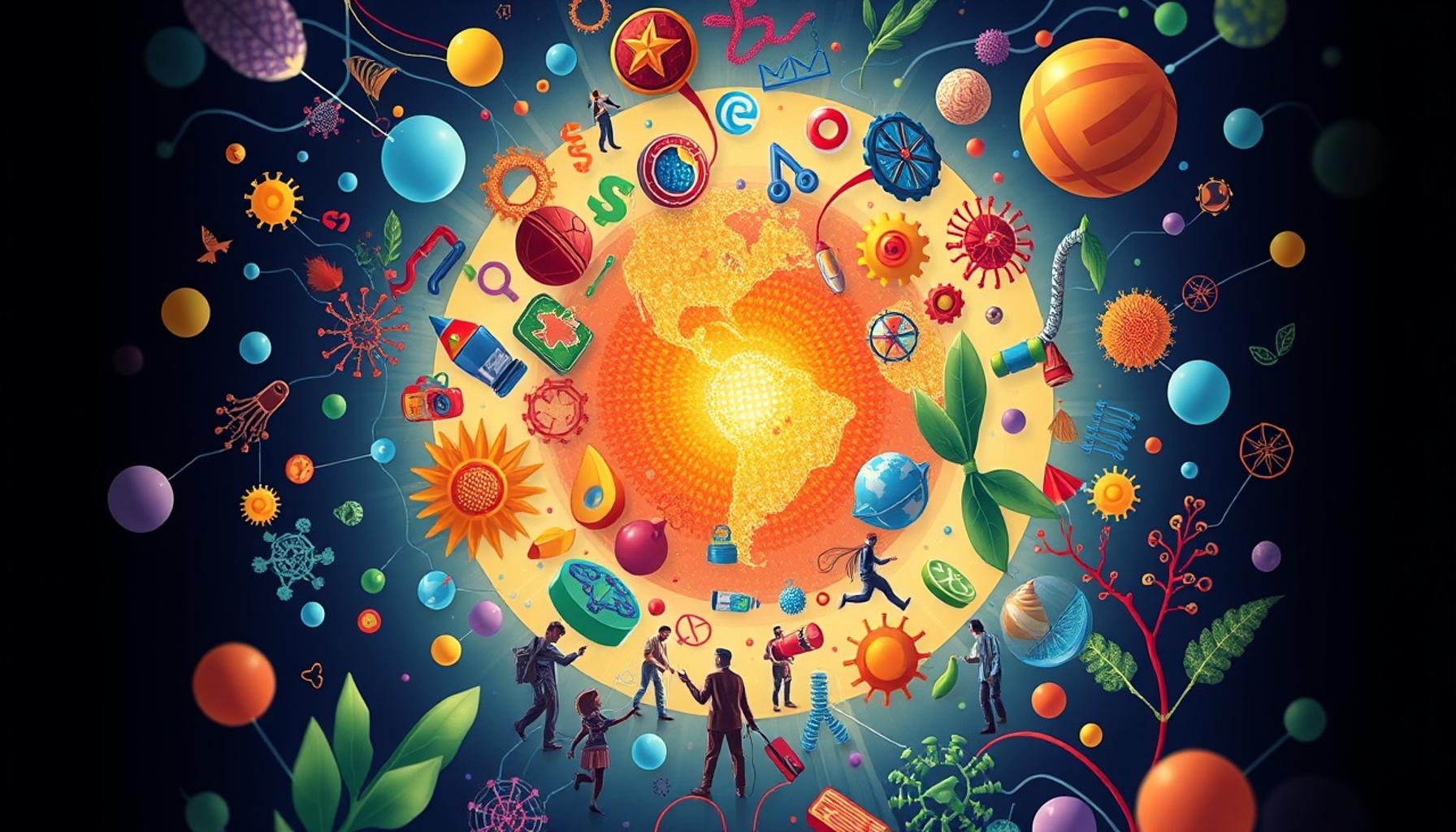
Biotechnology is significantly changing the landscape of healthcare, bringing about transformative solutions that enhance disease management and prevention. With the union of advanced technology and biological sciences, we are on the cusp of a new era where treatments become more effective and tailored to individual needs. These innovations are swiftly moving from labs to real-world applications, aiming to improve the quality of life for patients across the globe.
Key Innovations in Biotechnology
Among the most exciting developments in the field of biotechnology are:
- CRISPR gene editing: This revolutionary tool gives scientists the ability to edit genes with extreme precision. For example, researchers have been able to use CRISPR to correct mutations that cause diseases like cystic fibrosis, showing promise for treatments that could one day cure genetic disorders at their source.
- Personalized medicine: By analyzing a patient’s genetic makeup, healthcare providers can develop treatment plans that are tailored specifically for them. This approach has shown great promise in cancer treatment, where therapies can be adapted based on the unique genetic markers of an individual’s tumor, leading to higher success rates and reduced side effects.
- Biomanufacturing: Using living cells to produce drugs and vaccines streamlines the manufacturing process and promotes sustainability. For instance, the rapid production of COVID-19 vaccines utilizing yeast and bacteria has illustrated the potential of biomanufacturing to respond to urgent healthcare demands efficiently.
- Microbiome research: The exploration of gut bacteria has unveiled its critical role in mental health, metabolism, and immune function. Studies are now investigating how manipulating the microbiome might provide new avenues for treating depression and obesity, highlighting the interconnectedness of bodily systems.
These innovations collectively help improve diagnostics, enhance treatment protocols, and allow for earlier disease detection. As we witness remarkable strides in biotechnology, it is essential to also consider the implications for healthcare equity. Accessible biotechnological solutions can reduce disparities, providing underserved populations with better access to cutting-edge treatments.
Conclusion
As biotechnology continues to evolve, it presents an incredible opportunity to reshape healthcare systems worldwide. Embracing these advancements is crucial not only for improving individual health outcomes but also for fostering a more equitable global healthcare framework. As we navigate this exciting terrain, acknowledging the potential benefits and challenges will prepare us to harness biotechnology’s full power for a healthier future.
CHECK OUT: Click here to explore more
Transformative Tools Shaping Future Healthcare
In recent years, the field of biotechnology has witnessed significant advancements that promise to redefine the way we approach healthcare. These groundbreaking tools and techniques are not just theoretical concepts; they are actively transforming care delivery and enhancing patient outcomes. Understanding these innovations allows us to appreciate the profound implications they hold for our health system.
CRISPR: A Revolutionary Approach to Gene Editing
One of the standout innovations in biotechnology is CRISPR gene editing, which has captured the attention of scientists and healthcare professionals worldwide. CRISPR, short for Clustered Regularly Interspaced Short Palindromic Repeats, allows researchers to edit DNA sequences with remarkable precision. This technology has opened the door to potential cures for genetic disorders. For instance, scientists have successfully used CRISPR to correct mutations responsible for diseases, such as sickle cell anemia. As more clinical trials emerge, we may witness a future where inherited diseases can be treated or even cured at their root cause.
The Rise of Personalized Medicine
Another thrilling development is the emergence of personalized medicine. This approach tailors treatment strategies based on an individual’s unique genetic profile, making it especially impactful in fields like oncology. When treating cancer, for example, doctors can analyze the specific mutations present in a patient’s tumor and select therapies that target those exact changes. This level of customization can lead to enhanced effectiveness of treatments and fewer side effects. As the genetic analysis becomes more affordable and accessible, we can anticipate an era where more patients can benefit from personalized approaches to their care.
Biomanufacturing: Sustainable Solutions for Drug Production
The concept of biomanufacturing is revolutionizing how we produce pharmaceuticals and vaccines. By harnessing the capabilities of living cells, such as bacteria and yeast, manufacturers can rapidly generate complex drugs, reducing production times and costs. The quick development and distribution of COVID-19 vaccines showcased the power of biomanufacturing techniques. This efficiency not only addresses immediate health crises but also sets the stage for a sustainable approach to maintaining a constant supply of essential medications in the future. With the potential for lower resource consumption and decreased environmental impact, biomanufacturing holds promise for a more efficient healthcare system.
Insights from Microbiome Research
In addition to gene editing and personalized treatments, the exploration of the human microbiome—the collection of billions of microorganisms living in our bodies—has begun to unveil fascinating connections between our gut health and overall well-being. Research indicates that the microbiome plays a vital role in diseases ranging from obesity to autoimmune disorders. By investigating how alterations in these microbial communities can affect our health, scientists are paving the way for novel therapies that could potentially harness these microorganisms to alleviate various health issues. Probiotics and prebiotics, for instance, are being studied for their capacity to enhance mental health and balance metabolism, presenting an innovative frontier in treatment options.
Each of these innovations contributes to a broader shift towards a more integrated and responsive healthcare system, where the focus is not just on treating diseases, but on preventing them and improving the overall quality of life for patients. As we witness these advancements in biotechnology, it becomes increasingly important to ensure that these groundbreaking solutions are accessible to all, fostering a healthier society overall.
CHECK OUT: Click here to explore more
Unlocking Potential through Advanced Biotechnological Strategies
The pace at which biotechnology is evolving signifies a paradigm shift in the health sector, where traditional approaches are being enhanced by modern science. In this new environment, the integration of cutting-edge technologies is not merely additive; it is transformative, offering unprecedented opportunities to improve health outcomes globally.
Artificial Intelligence and Machine Learning in Healthcare
Artificial intelligence (AI) and machine learning are making impressive strides in the realm of biotechnology, particularly in diagnostics and treatment planning. Algorithms can analyze vast datasets with incredible speed and accuracy, aiding in the early detection of diseases. For example, AI systems are being employed to read imaging scans, identifying potential tumors faster than the average radiologist. The incorporation of AI into genomic data analysis is also showing promise, as it can predict disease susceptibility based on genetic information. By harnessing these technologies, healthcare providers can deliver timely interventions that greatly improve prognosis and overall patient care.
Regenerative Medicine: Repairing Human Tissue
The advancements in regenerative medicine are fostering a future where damaged tissues and organs might be repaired or replaced rather than merely treated. Techniques like stem cell therapy are at the forefront of this revolution, offering the potential to regenerate heart tissue after a heart attack, or even revolutionizing the treatment of spinal cord injuries. In the United States, research is underway to develop cellular therapies that may one day return mobility to those with degenerative diseases like Parkinson’s or multiple sclerosis. By focusing on regeneration instead of reliance on prosthetics or surgeries, biotechnology may enhance recovery and quality of life for millions.
Immunotherapy: Harnessing the Power of the Immune System
Immunotherapy represents a groundbreaking method in the treatment of various cancers and infectious diseases by stimulating the body’s immune system to fight off illness. Treatments such as CAR T-cell therapy are examples of how personalizing immune responses can result in remarkable outcomes. For instance, patients with certain types of blood cancers have shown extraordinary responses to CAR T-cell therapy, leading to remission where traditional therapies have failed. This shift in how we think about treating diseases—by empowering our own bodies to fight rather than solely relying on pharmaceuticals—illustrates the innovation occurring within the field of biotechnology.
Wearable Health Technologies
The integration of wearable health technologies into daily life represents another facet of the biotechnological evolution. Devices like fitness trackers, smartwatches, and even continuous glucose monitors allow individuals to monitor their health metrics in real-time. These devices can alert users to abnormal heart rates or track glucose levels, leading to timely medical consultations. Furthermore, the accumulative data collected from these devices can contribute to broader health research, providing insights into preventive healthcare strategies. As these technologies become commonplace, they empower individuals to take charge of their health, potentially decreasing the need for acute care interventions.
Adopting these innovations will require collaboration among researchers, clinicians, regulators, and patients. By engaging all stakeholders in the process, biotechnology can continue to create pathways towards a healthier future that is not only more efficient but also more equitable, ensuring that advancements in health are accessible to everyone, regardless of background or economic situation.
CHECK OUT: Click here to explore more
Conclusion
The emergence of innovative biotechnological advancements stands as a beacon of hope for the global health landscape. Through the remarkable integration of artificial intelligence, regenerative medicine, and immunotherapy, we are witnessing a profound evolution in how we diagnose, treat, and manage various health conditions. These technologies not only enhance our capacity to provide personalized healthcare but also promise a future where regeneration supersedes traditional treatment methods. Furthermore, the rise of wearable health technologies empowers individuals to monitor their health proactively, ultimately contributing to a more informed public and reducing the reliance on acute medical interventions.
As we embrace this new era, it is crucial to recognize that the journey ahead requires a collective effort. Collaboration among researchers, healthcare professionals, regulators, and patients will be essential in ensuring that these groundbreaking innovations are accessible and equitable for all. By fostering an inclusive approach in the application of biotechnology, we can break down barriers to health equality and ultimately create a robust healthcare system that meets the needs of diverse populations.
In conclusion, the innovations within biotechnology are not merely reshaping our current understanding of healthcare; they are paving the way toward a future where health challenges can be tackled with unprecedented efficacy and compassion. As we navigate this exciting landscape, we must prioritize ethical considerations and global collaboration to build a healthier world for generations to come.

Linda Carter
Linda Carter is a writer and expert known for producing clear, engaging, and easy-to-understand content. With solid experience guiding people in achieving their goals, she shares valuable insights and practical guidance. Her mission is to support readers in making informed choices and achieving significant progress.