The Revolution of Smart Cities: Emerging Technologies and Their Impact on Urban Communities
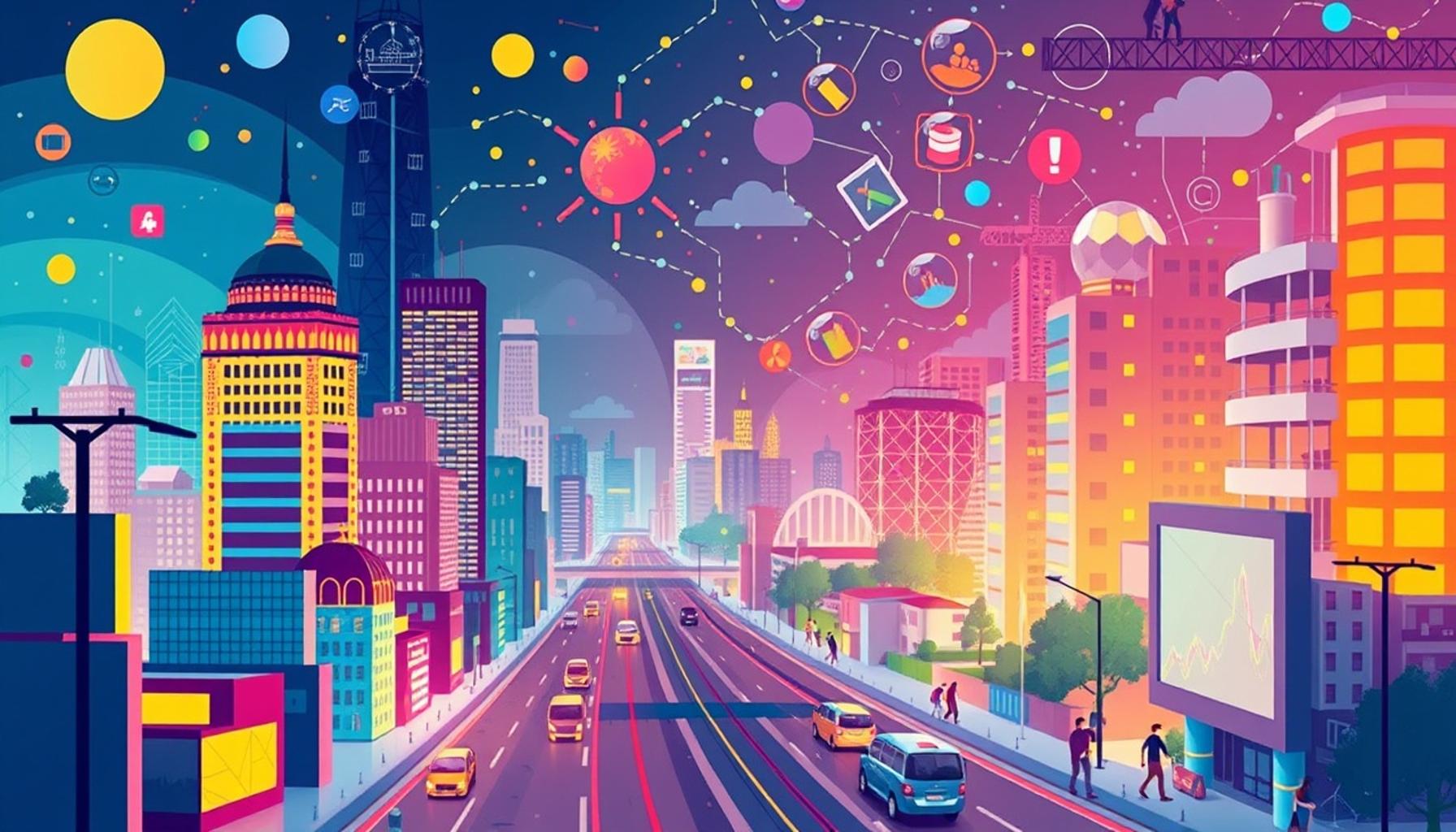
The Impact of Smart Technologies on Urban Living
As cities expand and populations increase, the need to manage urban environments efficiently becomes increasingly urgent. Smart technologies play a critical role in addressing challenges such as traffic congestion, environmental degradation, and inefficient public services. By integrating these technologies into urban planning and operations, cities can create a more harmonious living experience for their residents.
One of the foundational elements of smart cities is IoT Connectivity. This refers to the network of devices that communicate over the internet to streamline urban services. For instance, smart traffic lights equipped with sensors can adjust their timing based on real-time traffic patterns, reducing congestion and minimizing wait times for drivers. Similarly, smart waste bins can signal service providers when they are full, optimizing waste collection routes and ensuring cleaner streets.
The application of Data Analytics in urban management is transformative. By harnessing large datasets, cities can dissect various facets of urban life. For example, the city of Chicago employs data analytics to track public transportation usage and find areas needing service improvements. This approach not only enhances commuter experiences but also allows for long-term strategic planning that can save the city money and resources while improving the quality of life for its residents.
Adopting Renewable Energy Solutions is another critical feature of smart cities. Solar panels installed on rooftops can generate power for buildings, while wind turbines can power public infrastructure, such as streetlights and traffic signals. Cities like San Diego are leading the way in this initiative, setting ambitious goals to reach 100% renewable energy in the coming years. These efforts not only lower greenhouse gas emissions but also pave the way for a more sustainable future.
The advantages of smart technologies extend beyond operational efficiencies; they also promote active citizen involvement. Encouraging Active Participation means creating platforms where citizens can voice their opinions on community projects or vote on public initiatives. For example, cities like Boston have developed mobile apps that allow residents to report issues such as potholes or broken streetlights swiftly. Such participatory processes empower residents and give them a stake in their community’s well-being.
Enhancing Public Safety is another significant benefit derived from smart technologies. Integrated systems that connect surveillance cameras, emergency response units, and law enforcement agencies can drastically improve reaction times to emergencies. Cities like New York utilize a comprehensive approach to emergency management, using technology for real-time communication that ensures quicker and more effective responses to public safety threats.
Moreover, smart infrastructure focuses on Improving Accessibility for all residents. For individuals with disabilities, smart cities can offer features like audible street signals and app-based navigation services that provide real-time updates on accessible routes. Cities that enable such inclusive designs not only comply with legal standards but also champion the principle of equity, ensuring that everyone can enjoy the urban experience.
In summary, the advent of smart technologies represents a paradigm shift in urban development. As cities embrace these innovations, they are better equipped to face contemporary challenges while enriching the lives of their residents. Understanding the multifaceted benefits of smart cities enables us to appreciate how these advancements can help us adapt to the rapidly changing urban landscape and enhance our collective quality of life.
SEE ALSO: Click here to read another article
Transforming Urban Infrastructure Through Innovation
The integration of smart technologies into urban infrastructure is reshaping the very nature of how cities operate. A pivotal aspect of this transformation is the deployment of smart sensors. These devices collect critical data regarding various urban functions, from monitoring air quality to managing traffic flows. For instance, cities like San Francisco have implemented air quality sensors that provide real-time data on pollution levels, enabling residents to make informed decisions about their outdoor activities and prompting city officials to take action when pollution exceeds safe levels.
Another significant innovation is seen in the area of smart transportation systems. These systems leverage technology to offer efficient travel options and improve urban mobility. Cities across the United States, such as Los Angeles, are investing in smart public transit solutions, including real-time tracking of buses and trains. This technology allows riders to access information via mobile apps, helping them plan their journeys more effectively and reducing wait times significantly. Furthermore, the integration of ride-sharing services and bike-sharing programs into public transit systems exemplifies how smart technologies can promote sustainable commuting options while alleviating traffic congestion.
Empowering city planners and officials is also a notable benefit brought by geospatial technology. Geographic Information Systems (GIS) and mapping software offer detailed visualizations of urban data, enabling decision-makers to identify trends, allocate resources, and plan for future developments with precision. For example, in cities like New York, planners use GIS to map out areas in need of affordable housing or community services, thus ensuring that urban development meets the needs of residents effectively.
The role of 5G connectivity cannot be overstated in this smart city revolution. As telecommunications companies roll out this lightning-fast network across urban areas, the implications for smart city applications are profound. With 5G, devices connected in the Internet of Things (IoT) can transmit data at unprecedented speeds, fostering rapid communication between devices. This enhanced connectivity can lead to advanced solutions such as autonomous vehicles that can communicate with traffic signals and other cars, potentially leading to drastic reductions in accidents and traffic delays.
Key Benefits of Smart Infrastructure
As cities adapt to smart technologies, a range of benefits emerge that encapsulate the potential of smart urban infrastructure:
- Efficiency: Streamlined processes and optimized resource management result in significant cost savings for cities.
- Environmental Sustainability: The use of renewable energy sources and smart waste management systems promotes ecological conservation.
- Enhanced Quality of Life: Improved public services and increased accessibility lead to higher satisfaction among residents.
- Economic Growth: Innovation attracts businesses and creates new job opportunities in tech and urban development sectors.
By recognizing and implementing these technological advancements, cities position themselves to not only respond to current challenges but also foster a resilient and progressive urban environment for future generations. The continued evolution of smart cities stands as a testament to the capacity of technology to improve urban living, creating communities that are safer, smarter, and more sustainable.
CHECK OUT: Click here to explore more
Enhancing Citizen Engagement and Social Inclusion
Smart cities are not solely about technology; they place a strong emphasis on citizen engagement and social inclusion. One of the transformative aspects of this revolution is the use of participatory platforms. These platforms allow residents to voice their opinions, share concerns, and contribute to city planning effectively. For instance, platforms like Nextdoor enable neighbors to connect, discuss local issues, and collaborate on community improvement projects. This direct line of communication fosters a sense of community and ensures that urban development aligns with the interests of residents.
Moreover, enhancing accessibility in urban environments is a primary focus of smart city initiatives. Cities like Chicago have implemented technologies such as smart crosswalks and audible signals for visually impaired pedestrians, which promote safe navigation throughout the city. These modifications reflect a considerate approach to urban planning, ensuring that all community members, including those with disabilities, have equitable access to public spaces and services.
Digital inclusion is another critical consideration as smart cities evolve. Efforts are being made to bridge the digital divide, ensuring that low-income communities have access to affordable internet and technology. For example, cities like Philadelphia have established programs that provide low-cost Wi-Fi hotspots and computers to families in need. By fostering digital literacy and access, city officials empower residents to benefit from the resources available in a smart city and actively participate in civic life.
In addition to enhancing communication and inclusion, smart cities utilize data analytics to address social issues effectively. By analyzing data on crime, demographic shifts, and public health, city planners can develop targeted interventions. In New York City, predictive policing algorithms have shown promise in anticipating crime hotspots, allowing law enforcement to allocate resources more efficiently and focus on proactive measures. This data-driven approach leads to safer neighborhoods and promotes trust between law enforcement and the community.
The Role of Education and Skills Development
Education and skills development play a pivotal role in the successful implementation of smart city initiatives. As cities evolve, there is a demand for a workforce that is proficient in new technologies. To address this, various cities are partnering with local educational institutions to develop curricula focused on technology and urban planning. For instance, cities like San Jose are collaborating with universities to create programs that equip students with the necessary skills to thrive in a tech-driven economy. Such initiatives not only prepare the workforce for future jobs but also encourage innovation within the community.
Additionally, educational workshops and community events serve to raise awareness about the benefits of smart technologies. By engaging residents through urban tech fairs and informational sessions, city officials can demystify complex topics and generate enthusiasm for upcoming smart city initiatives. This type of outreach is crucial in building a collaborative environment where citizens feel informed and empowered to contribute to their urban landscape.
As the concept of smart cities continues to evolve, it becomes clear that the integration of technology will have far-reaching effects on urban communities. Emphasizing citizen engagement, inclusivity, and education ensures that these advancements bring people together, creating vibrant, versatile, and connected spaces where all individuals can thrive.
CHECK OUT: Click here to explore more
Conclusion
In conclusion, the revolution of smart cities represents a powerful shift in how urban spaces are designed, managed, and experienced by their inhabitants. By leveraging emerging technologies, cities are becoming more responsive and adaptive to the needs of their communities. This transformation is evident in various initiatives aimed at enhancing connectivity, promoting sustainability, and fostering social inclusion. As we’ve discussed, tools such as participatory platforms empower citizens to be active participants in shaping their city’s future, while innovations in data analytics provide insights that help address urban challenges effectively.
Furthermore, the focus on accessibility and digital inclusion is crucial for ensuring that the benefits of smart city technologies reach all residents, particularly marginalized communities. Programs that provide internet access and tech education are essential for bridging the digital divide and empowering individuals to benefit from the advancements in their cities. Additionally, as the demand for skilled workers increases, partnerships between cities and educational institutions become vital in preparing future generations to thrive in a tech-centric urban landscape.
Ultimately, the smart city revolution offers more than just innovative technologies; it opens doors to more equitable urban environments where diverse populations can flourish. As cities continue to evolve in this direction, it is imperative for stakeholders—including city officials, residents, and tech developers—to work collaboratively. This engagement will ensure that smart city developments not only address immediate urban challenges but also create a more sustainable and inclusive future for all urban dwellers. The journey toward truly smart cities is just beginning, but with a commitment to inclusivity and innovation, the possibilities are limitless.

Linda Carter
Linda Carter is a writer and expert known for producing clear, engaging, and easy-to-understand content. With solid experience guiding people in achieving their goals, she shares valuable insights and practical guidance. Her mission is to support readers in making informed choices and achieving significant progress.