The Revolution of Smart Cities: How Technology is Reshaping Urban Planning
Understanding Smart Cities
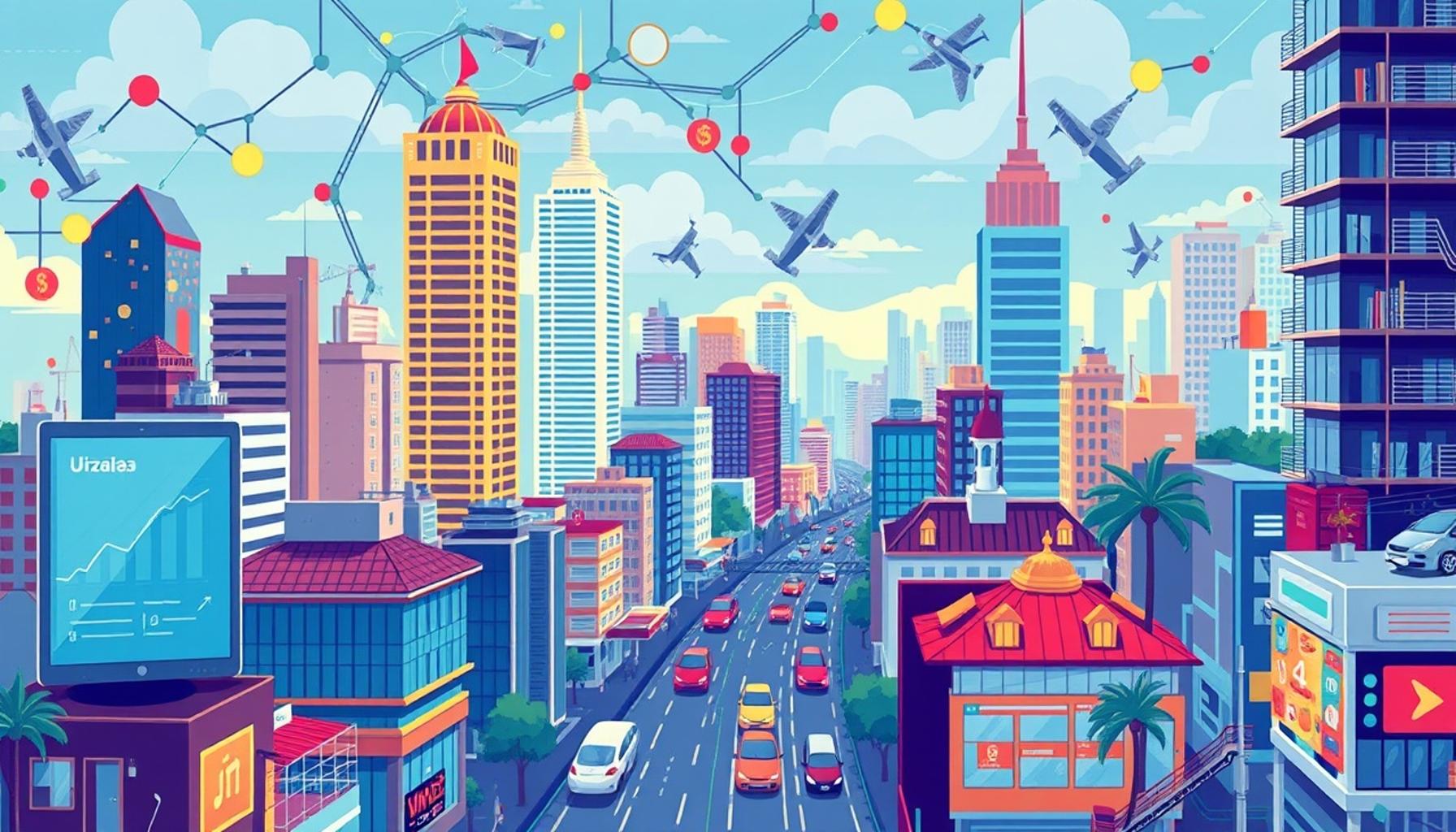
The concept of smart cities is revolutionizing how urban areas function and interact with their residents. By utilizing cutting-edge technologies, these cities are not just focused on modernization; they are committed to improving the overall quality of life for individuals while carefully considering sustainability. The integration of advanced systems means cities can respond more effectively to challenges from waste management to energy consumption.
Key Features of Smart Cities
One of the most significant attributes of smart cities is their reliance on data analytics. Cities gather immense amounts of data from different sources such as environmental sensors, mobile applications, and public feedback. For instance, cities can monitor air quality in real time and deploy resources where pollution levels are highest. This ensures more targeted interventions, promoting a healthier environment.
Another crucial feature is traffic management. Intelligent traffic systems, such as those seen in Los Angeles, employ sensors and connected vehicle technology to monitor road conditions and traffic flow. They can adjust traffic signals dynamically to relieve congestion and promote public transit options that are more efficient. The goal is not only to ease commutes but also to enhance public transport by making it more accessible and reliable for passengers.
In addition, a strong focus on sustainable energy helps smart cities mitigate their environmental impact. Cities like Denver are integrating solar panels and wind turbines into their infrastructure. These renewable energy sources help lower greenhouse gas emissions and create a stable energy supply using clean alternatives. In the long run, this reduces reliance on fossil fuels and reinforces the city’s commitment to sustainability.
Examples of Smart Initiatives
Across the United States, pioneering efforts in smart city technologies can be seen in places like San Francisco and New York. San Francisco has implemented smart streetlights that adjust brightness based on pedestrian presence, thereby conserving energy. Additionally, the city’s surveillance systems, equipped with AI, enhance public safety by identifying anomalies or potential threats and alerting law enforcement swiftly.
New York City, on the other hand, is using technology for improved waste management. Smart bins equipped with sensors can detect when they are full and send notifications to city services for collection, thereby optimizing waste collection routes and reducing operational costs significantly.
Moreover, many cities now provide platforms for enhanced communication with residents. Citizens can access real-time information regarding public transport schedules, receive updates on local events, and even report issues such as potholes or broken streetlights through mobile apps. This helps create a more engaged and informed populace.
Conclusion
In summary, the emergence of smart cities has set a new standard for urban planning and development. By utilizing innovative technologies and focusing on sustainability, these cities not only enhance operational efficiency but also significantly improve the quality of life for their citizens. As we navigate through this era of transformation, it is essential to appreciate how technology is not merely a tool for progress but a means to create more livable, responsive, and sustainable environments. Understanding the elements of smart cities equips us to embrace the future of urban living, ultimately leading to a better, more connected society.
CHECK OUT: Click here to explore more
How Smart Technology is Enhancing Urban Living
As we delve deeper into the realm of smart cities, it is essential to understand how various technological innovations are being integrated into urban planning to create more efficient, livable environments. In particular, several key areas demonstrate the transformative power of technology in reimagining urban spaces. These include public safety, resource management, and community engagement.
Public Safety Innovations
One of the most visible benefits of smart city initiatives is the enhancement of public safety. Advanced technologies such as video surveillance systems and real-time monitoring sensors are becoming increasingly prevalent in urban areas. For instance, cities like Chicago have deployed a network of cameras equipped with facial recognition technology, which assists law enforcement in identifying suspects and responding to incidents more effectively. Moreover, systems can analyze large volumes of data to predict and prevent crime by understanding patterns and hotspots.
Some smart cities are also utilizing IoT (Internet of Things) devices, such as environmental sensors, to monitor conditions that could pose risks to public safety. These devices can alert authorities about hazardous situations, such as gas leaks, floods, or severe weather events, ensuring timely interventions that protect residents and reduce potential damages.
Efficient Resource Management
Smart cities prioritize efficient management of fundamental resources such as water, energy, and waste, translating technology into tangible benefits for urban populations. Below are some examples of how technology achieves this:
- Smart Water Meters: Cities like Seattle utilize smart meters to monitor water usage in real time. This technology not only helps to detect leaks swiftly but also enables residents to track their own consumption, promoting responsible water use.
- Energy Management Systems: By deploying smart grids, cities can better manage electricity distribution based on real-time demand. This means that during peak times, energy usage can be balanced out, lowering overall costs for electric utilities and consumers alike.
- Smart Waste Management: As highlighted previously, smart bins with sensors can monitor waste levels and optimize pickup routes, reducing the fuel used by collection trucks and minimizing the organization’s carbon footprint.
These examples illustrate how technology not only streamlines city operations but also contributes to sustainability by reducing waste and resource depletion.
Community Engagement through Technology
Smart cities are also redefining the relationship between residents and their local governments through enhanced community engagement platforms. For instance, digital initiatives, such as apps and online forums, are becoming increasingly popular for citizens to communicate their concerns, participate in decision-making processes, and access information regarding city services. For example, cities like Austin have implemented platforms that allow residents to submit ideas for new projects, track their progress, and provide feedback on ongoing initiatives.
Furthermore, these platforms can keep citizens informed about upcoming events or incidents impacting their neighborhoods, fostering a more connected community. By using technology to bridge the gap between residents and local leaders, smart cities promote greater transparency and civic participation.
In summary, the integration of technology in urban planning is not merely a trend; it is a groundbreaking movement that enhances public safety, optimizes resource management, and strengthens community ties. As more cities adopt smart technologies, residents can look forward to a more efficient, responsive, and engaging urban environment.
SEE ALSO: Click here to read another article
Transforming Transportation and Mobility
Another pivotal aspect of smart cities is the transformation of transportation and mobility, where technology plays a critical role in shaping how residents move within their urban environments. By implementing innovative solutions, smart cities are not only enhancing the efficiency of transit systems but also prioritizing sustainability and reducing congestion.
Intelligent Transportation Systems (ITS)
One of the key components of smart mobility is the use of Intelligent Transportation Systems (ITS). Cities like Los Angeles have adopted advanced traffic management systems that utilize real-time data to adjust traffic signals and reduce bottlenecks. By collecting information from traffic cameras and sensors, these systems can adapt to current conditions, enhancing travel times and ensuring smoother traffic flow.
Moreover, this technology can provide real-time updates to commuters regarding public transit schedules, delays, and alternative routes, making it easier for residents to navigate the city. Apps that aggregate real-time data on public transit options, like Transit, enable users to plan their journeys effectively and ultimately encourage the use of public transportation over personal vehicles.
Encouraging Sustainable Transportation Options
Smart cities also seek to promote eco-friendly transportation choices through the implementation of smart bike-sharing programs and electric vehicle (EV) charging infrastructure. For instance, cities such as San Francisco have rolled out bike-sharing systems that allow residents to rent bicycles for short trips, reducing reliance on cars and lowering urban pollution levels.
Additionally, the installation of widespread EV charging stations is facilitating the transition to electric vehicles. Cities like Seattle have committed to increasing the availability of charging points, making it more convenient for residents to use electric vehicles. This forward-thinking approach not only supports sustainability goals but also enhances the convenience and appeal of electric transportation alternatives.
Mobility as a Service (MaaS)
Another innovative concept gaining traction in smart cities is Mobility as a Service (MaaS). This approach integrates various forms of transportation services into a single accessible platform, allowing residents to plan, book, and pay for multiple modes of transit in one go. For example, services like Citymapper help users to seamlessly combine public transit, ride-sharing, and bike rentals to optimize their travel options.
By simplifying the transportation experience, MaaS aims to reduce dependency on personal vehicles and the traffic congestion that comes with them. This holistic view of urban mobility encourages a shift towards more sustainable practices and helps create a more efficient urban environment.
Data-Driven Solutions for Enhanced Urban Mobility
Moreover, data analysis plays a crucial role in continually improving urban mobility infrastructure. Cities can analyze traffic patterns, public transport utilization, and commuter behavior to identify areas needing enhancement or redesign. For example, cities like Boston are leveraging data from transit agencies to analyze routes and make informed decisions about where to add service or adjust schedules. This adaptive management approach ensures that transit systems remain responsive to the needs of their users.
In summary, the revolution of smart cities significantly impacts transportation and mobility by promoting efficient, sustainable solutions that improve residents’ daily lives. By embracing technology, urban planners and local governments can create transportation systems that are not only effective but also environmentally responsible and responsive to the needs of their communities.
CHECK OUT: Click here to explore more
Conclusion
The emergence of smart cities marks a transformative shift in urban planning, fundamentally reshaping how we live, work, and connect within urban environments. By harnessing the power of technology, cities across the United States and worldwide are becoming more efficient, sustainable, and responsive to the needs of their residents. From Intelligent Transportation Systems that optimize traffic flow to innovative models like Mobility as a Service that integrate various transport options, the possibilities for enhancing urban mobility are both extensive and exciting.
The commitment to sustainability is also evident through the promotion of eco-friendly transportation choices, such as bicycle-sharing programs and the expansion of electric vehicle infrastructure. These initiatives not only reduce carbon footprints but also contribute to healthier communities. As data-driven solutions continue to evolve, urban planners are better equipped to address the unique challenges faced by modern cities, ensuring that transit systems remain adaptable and efficient.
As we envision the future of urban living, it is essential for local governments, businesses, and communities to collaborate in embracing these technological advancements. The revolution of smart cities offers a unique opportunity to foster environments that prioritize connectivity, sustainability, and quality of life. By championing innovative approaches to urban planning, we can create vibrant cities that not only meet today’s demands but also pave the way for a more sustainable and connected tomorrow.

Linda Carter
Linda Carter is a writer and expert known for producing clear, engaging, and easy-to-understand content. With solid experience guiding people in achieving their goals, she shares valuable insights and practical guidance. Her mission is to support readers in making informed choices and achieving significant progress.